
Hardware security trusted by users worldwide
LEDGER HARDWARE WALLET & SELF-CUSTODY
Take full control of your crypto with
Ledger hardware wallets
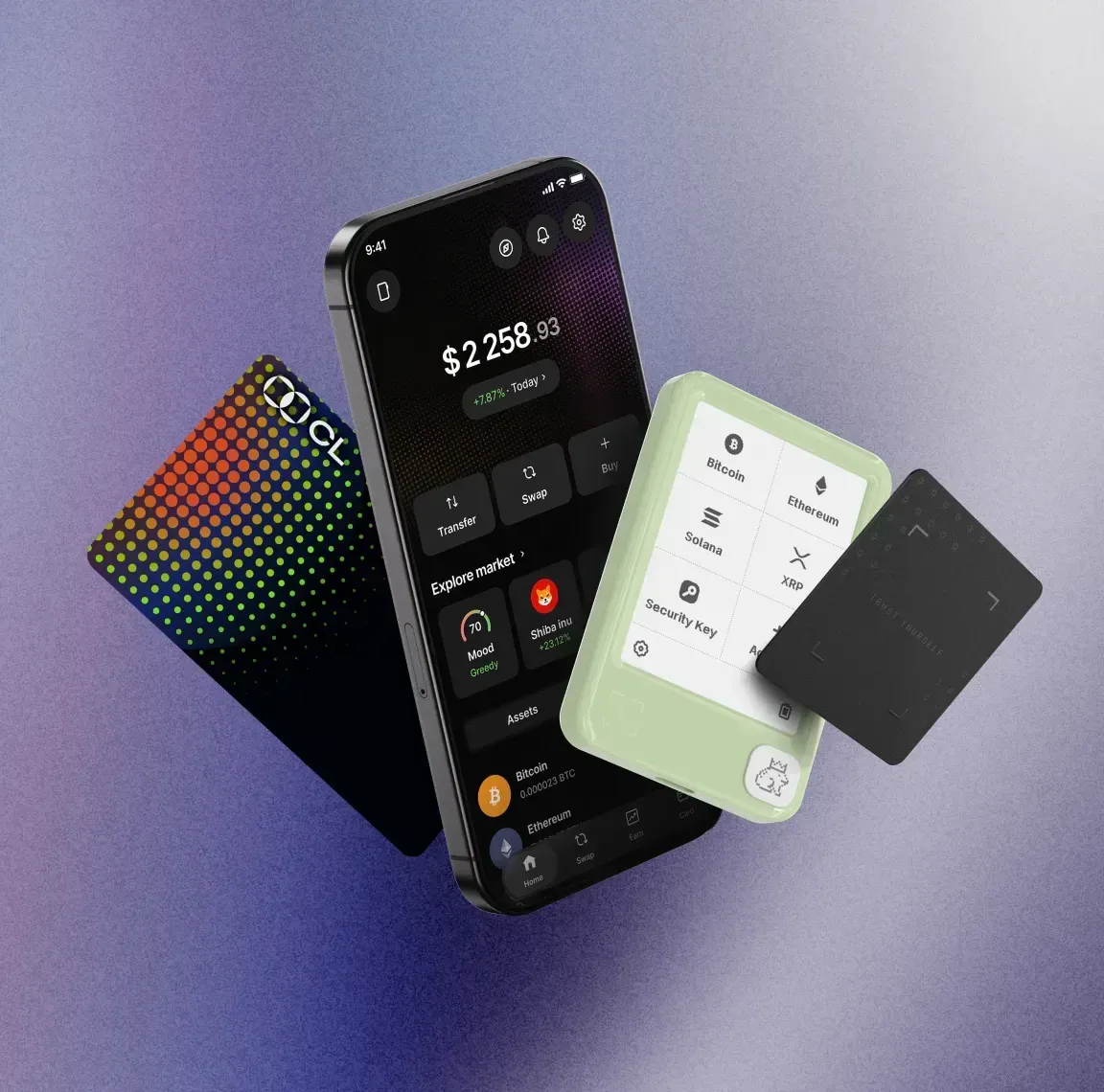
Ledger hardware wallets, combined with the Ledger Wallet app, give you the power to securely manage Bitcoin, Ethereum, stablecoins, NFTs, and multi-chain assets. You hold your private keys, and every critical transaction must be physically confirmed on the device — ideal for long‑term holders, DeFi interactions, and Web3 portfolio management.
Years of experience in self‑custody for digital assets
On‑device confirmation reduces remote‑attack risks
Clear asset overview
View your portfolio, prices, and transaction status in Ledger Wallet — giving you a clear picture of all your multi‑chain assets.
Flexible management
Buy, exchange, stake, and connect with Web3 services — all from a single interface that simplifies common crypto operations.
True key ownership
Your private keys never leave your device — no exchange or third party holds them. Every signature is confirmed on the hardware, so you remain in full control.
Quick start
Start your self‑custody journey with Ledger
Ledger Hardware Wallets
Why do you need a Ledger hardware wallet?
Only a Ledger hardware wallet can truly protect your crypto assets — don't become a victim of identity theft or wallet compromise.
Ledger Stax™
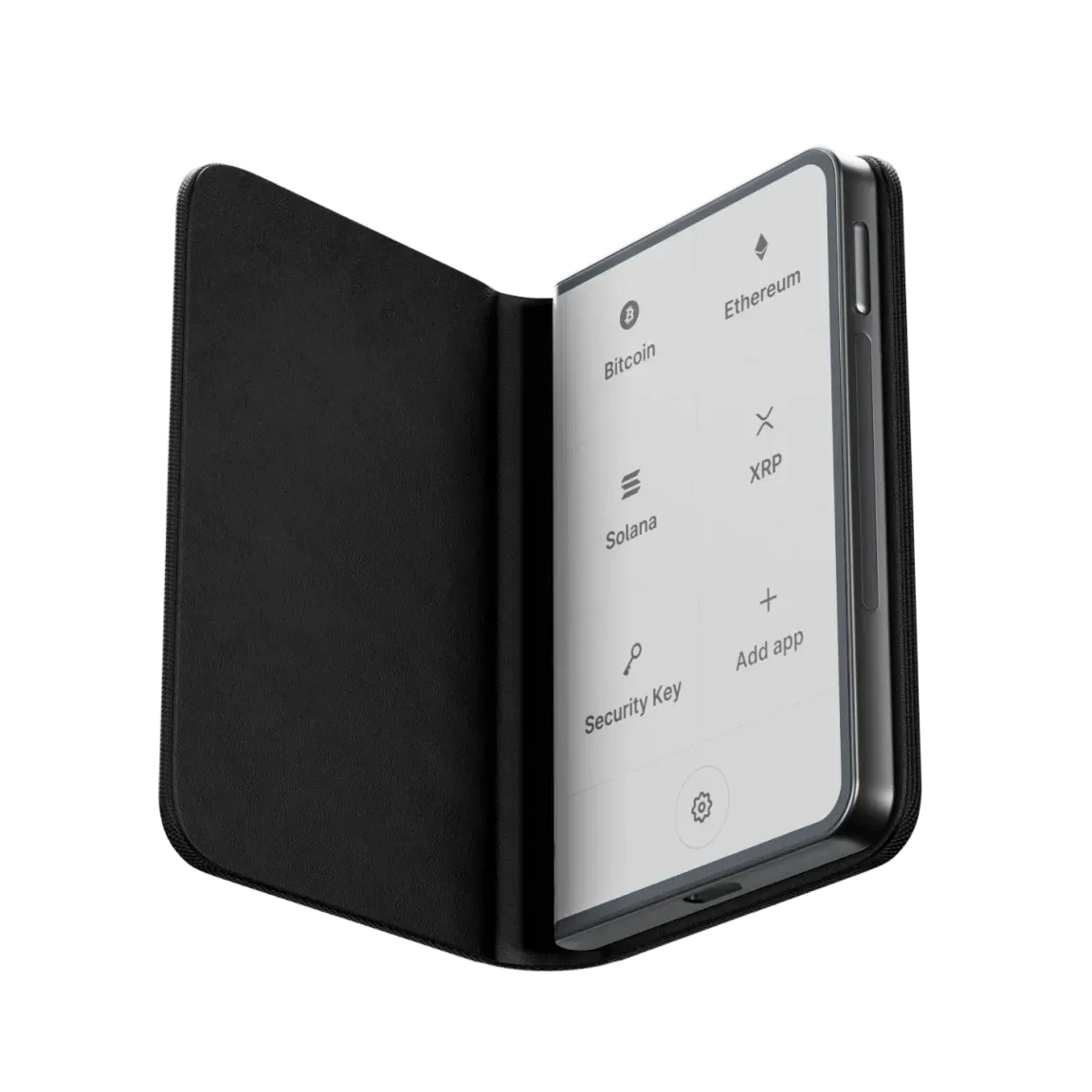
3.7‑inch curved screenIdeal for users who want a large display for NFT viewing, multi‑chain management, and clear transaction verification on the device.
Ledger Flex™
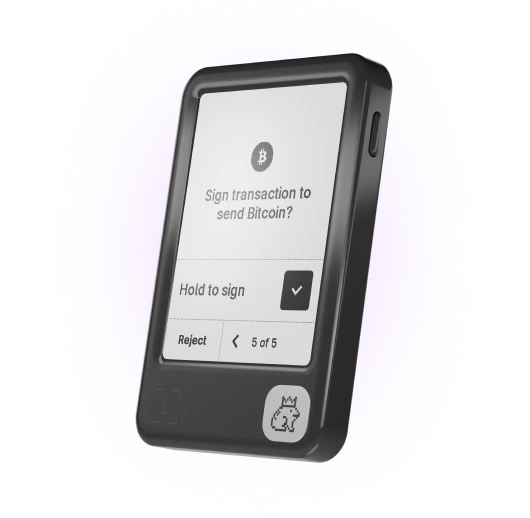
2.8‑inch large touch screenDesigned for both beginners and experienced users who prefer touch‑based transaction confirmations, blending security with everyday efficiency.
New
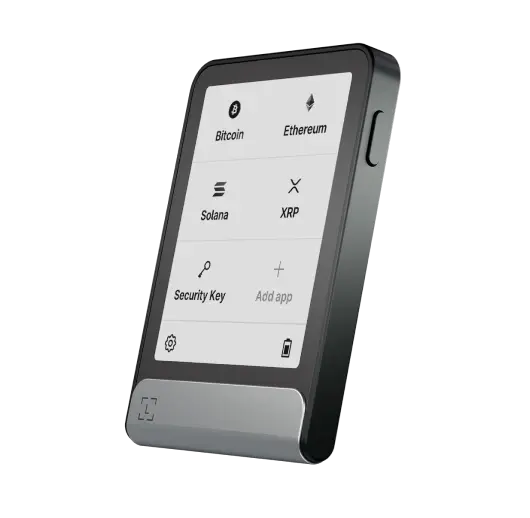
Ledger Nano™ Gen5
2.8‑inch lightweight screenPerfect for those who value portability, security, and ease of use for day‑to‑day account management and long‑term holding.
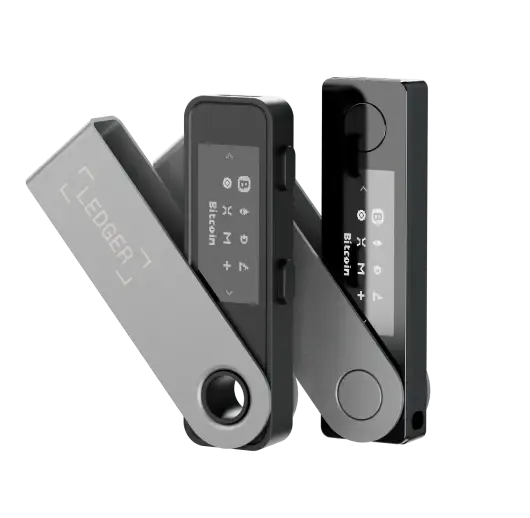
Ledger Nano™ Classic
1.1‑inch screenA reliable backup hardware wallet that lets you securely exchange, stake, and hold your assets whether at home or on the go.
Asset support
Manage Bitcoin, Ethereum, stablecoins, and multi‑chain assets
Through Ledger Wallet, users can manage Bitcoin, Ethereum, Solana, XRP, USDT, NFTs, and many more. Actual supported assets evolve with network updates, app releases, and official service changes.
WALLET
What is Ledger Wallet?
Ledger Wallet™ lets you build your own portfolio: buy, swap, stake, and spend — with the convenience of an exchange and the security of a Ledger hardware wallet.
Download Ledger Wallet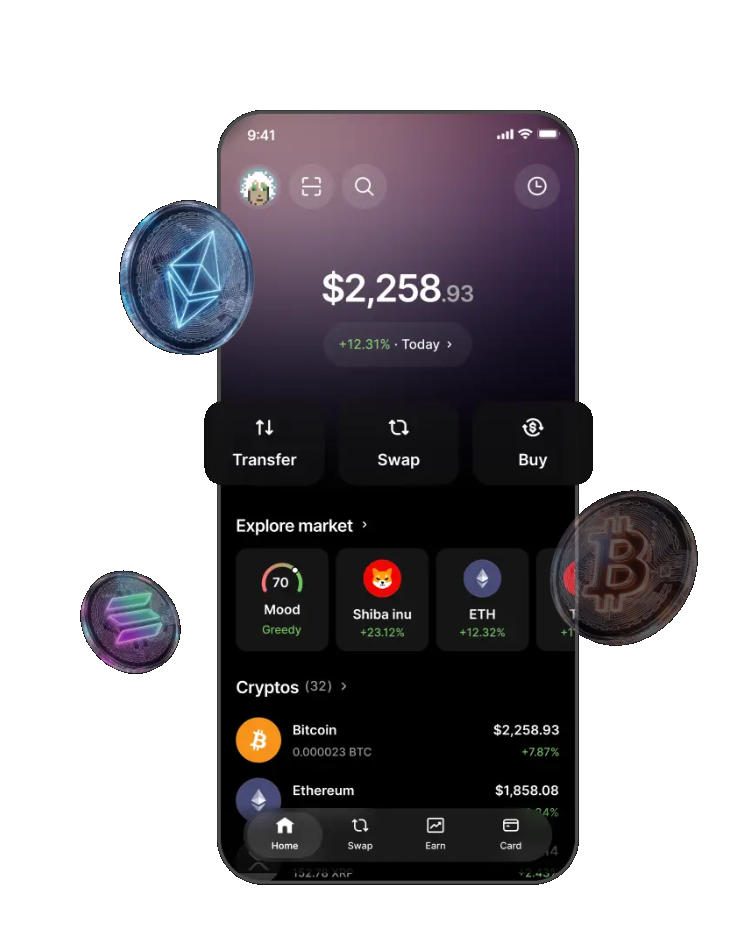
CARD
Bring crypto closer to everyday life
With Ledger Wallet, you can explore more ways to use your assets while staying in self‑custody — including payments, exchanges, staking, and account management. Always double‑check the network, address, amount, and permissions before any on‑chain action.
Download Ledger Wallet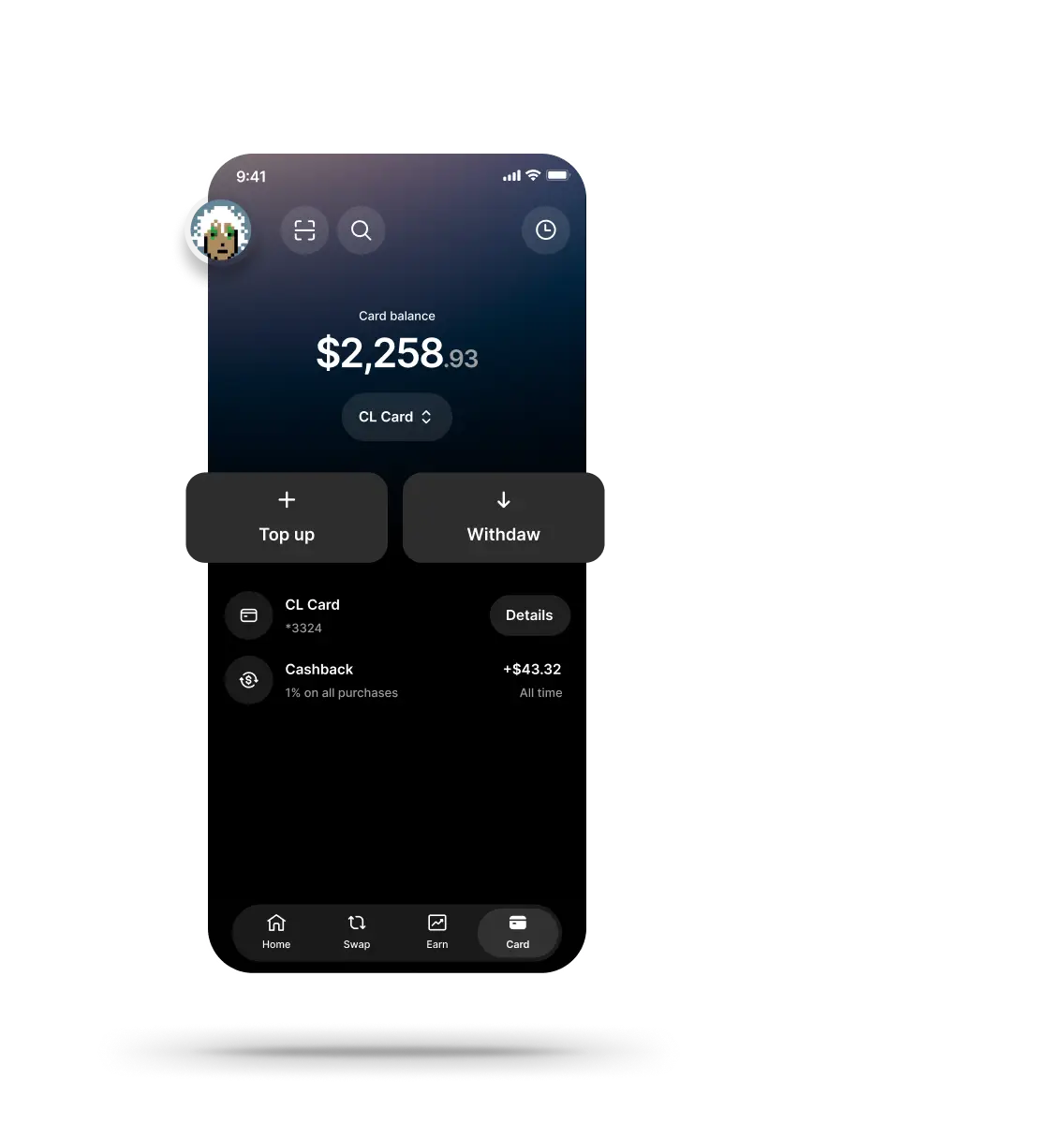
Exchange & Liquidity
Multi‑chain swaps and DeFi interactions with more control
Ledger Wallet helps you compare services, initiate swaps, and connect to DeFi apps across multiple chains. While a hardware wallet doesn't eliminate all on‑chain risks, it ensures critical signatures are confirmed on the device, reducing exposure of private keys and the chance of accidental errors.
Download Ledger Wallet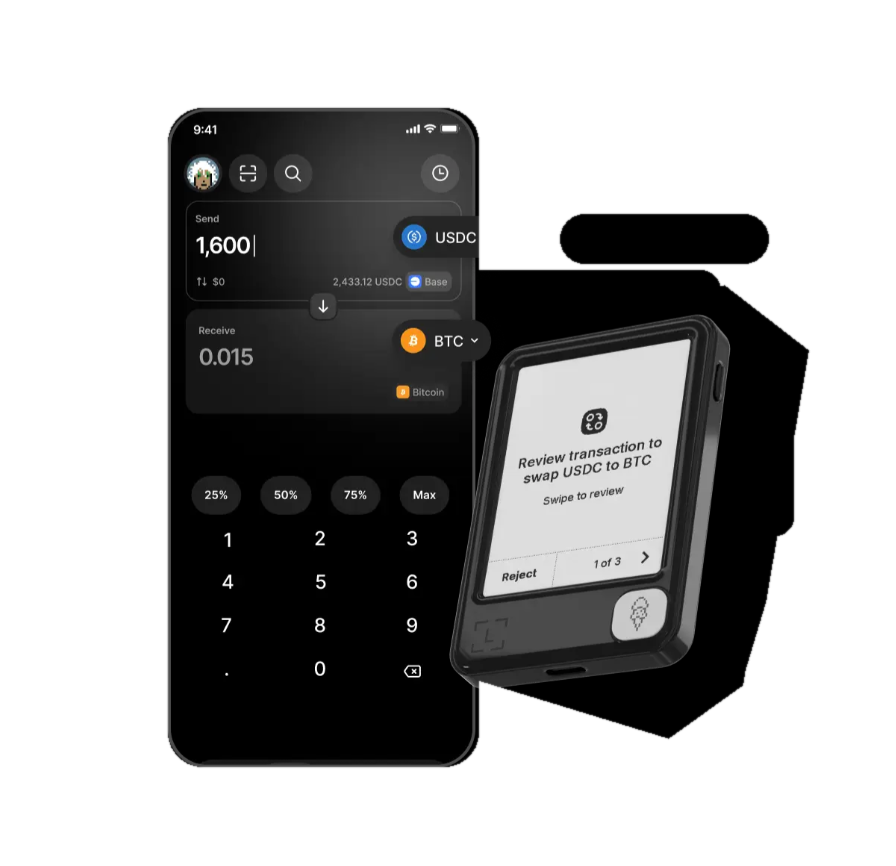
Ledger FAQ
Common questions about Ledger hardware wallets, Ledger Wallet, self‑custody, recovery phrases, and DeFi safety.
Ledger is a hardware wallet and application ecosystem designed for self‑custody of digital assets. Users secure their private keys on the hardware device and manage Bitcoin, Ethereum, stablecoins, NFTs, and multi‑chain assets via Ledger Wallet.
Unlike exchange accounts, Ledger’s core value is that you hold your own keys and confirm every critical transaction on the device screen.
It’s ideal for long‑term holders, cross‑chain asset management, DeFi interactions, and anyone who wants to reduce the risk of private key exposure.
The security of Ledger hardware wallets relies on private key isolation and on‑device signature confirmation. Keys never leave the hardware, so they are not exposed to your phone, computer, or browser extensions.
When you send, swap, or approve a transaction, you must verify the address, network, amount, and permissions on the hardware screen before manually confirming.
A hardware wallet cannot protect you from all smart‑contract risks — always stay vigilant against phishing sites, fake apps, malicious approvals, and recovery‑phrase leaks.
Ledger Wallet is the application where you manage assets and initiate operations. The Ledger hardware wallet is the physical device that protects your private keys and signs transactions.
In Ledger Wallet, you can check balances, buy, swap, stake, and connect to Web3 services — then confirm critical actions through the hardware wallet.
Together, they give you the convenience of an app with the security of offline key storage.
Ledger is a self‑custody solution, while exchange wallets are custodial accounts. With an exchange, the platform typically holds your assets and controls your account. With Ledger, you are the sole custodian of your private keys.
The advantage of self‑custody is greater independence, but the responsibility to safeguard your recovery phrase, device, and approval permissions lies with you.
Many users keep short‑term trading funds on exchanges and move long‑term holdings to a hardware wallet like Ledger for better isolation.
Using Ledger for Bitcoin and Ethereum removes your private keys from exchange accounts and hot software wallets, reducing the risk of account theft, malware, or phishing attacks.
Bitcoin, Ethereum, and stablecoins are often core holdings for long‑term investors and frequent transfers — they benefit most from hardware‑verified addresses, networks, and amounts.
For large transactions, always run a small test first and double‑check every detail on the device screen.
Your Ledger recovery phrase should be stored offline — never screenshot it, upload it to the cloud, send it to customer support, or enter it into any website or unfamiliar app.
The safest approach is to write it down on paper or a dedicated backup medium and keep copies in separate, secure locations.
If anyone asks for your recovery phrase, private keys, or seed words — even if they claim to be support, an airdrop team, or tech staff — treat it as a high‑risk scam.
Ledger can manage Bitcoin, Ethereum, Solana, XRP, USDT, NFTs, and many multi‑chain tokens.
Different assets and networks may require you to enable the corresponding app and account in Ledger Wallet or compatible services.
The actual supported range evolves with official app updates, blockchain network changes, and third‑party services — always confirm that the asset, network, and address match before you act.
Using Ledger with DeFi reduces private key exposure, but it does not eliminate smart‑contract vulnerabilities, phishing, malicious approvals, or market volatility.
Before connecting to a DApp, verify the website source, contract permissions, approval limits, and signature content — never blindly confirm.
It’s wise to separate long‑term holdings from DeFi‑active funds, test with small amounts before large operations, and periodically review and revoke unused approvals.