How Ledger Adheres to ISO 27001 for Crypto Custody
In the dynamic world of cryptocurrency, the security of digital assets is of utmost importance. Crypto custodians play a crucial role in safeguarding these assets, and Ledger, a well - known name in the industry, has embraced ISO 27001 for information security management.
Understanding ISO 27001 in the Crypto Custody Context
ISO 27001 is an international standard for information security management systems (ISMS). It provides a framework for organizations to manage and protect their information assets. In the context of crypto custodians, information security is not just about protecting digital wallets and private keys but also about safeguarding customer data, transaction details, and the overall integrity of the custodial services.
For example, a crypto custodian that stores large amounts of customer funds needs to ensure that the information about these funds, such as account balances and transaction histories, is kept secure. ISO 27001 helps in establishing policies, procedures, and controls to achieve this. It requires organizations to conduct risk assessments regularly. A crypto custodian might identify risks such as cyber - attacks, insider threats, or system failures. By following ISO 27001, they can develop strategies to mitigate these risks.
One of the key components of ISO 27001 is the Plan - Do - Check - Act (PDCA) cycle. In the planning phase, a crypto custodian like Ledger defines its information security objectives and develops a plan to achieve them. The 'Do' phase involves implementing the plan, which could include installing security software, training employees, and setting up access controls. The 'Check' phase is about monitoring and measuring the effectiveness of the security measures, and the 'Act' phase is for making improvements based on the results of the checks.
Ledger's Adoption of ISO 27001
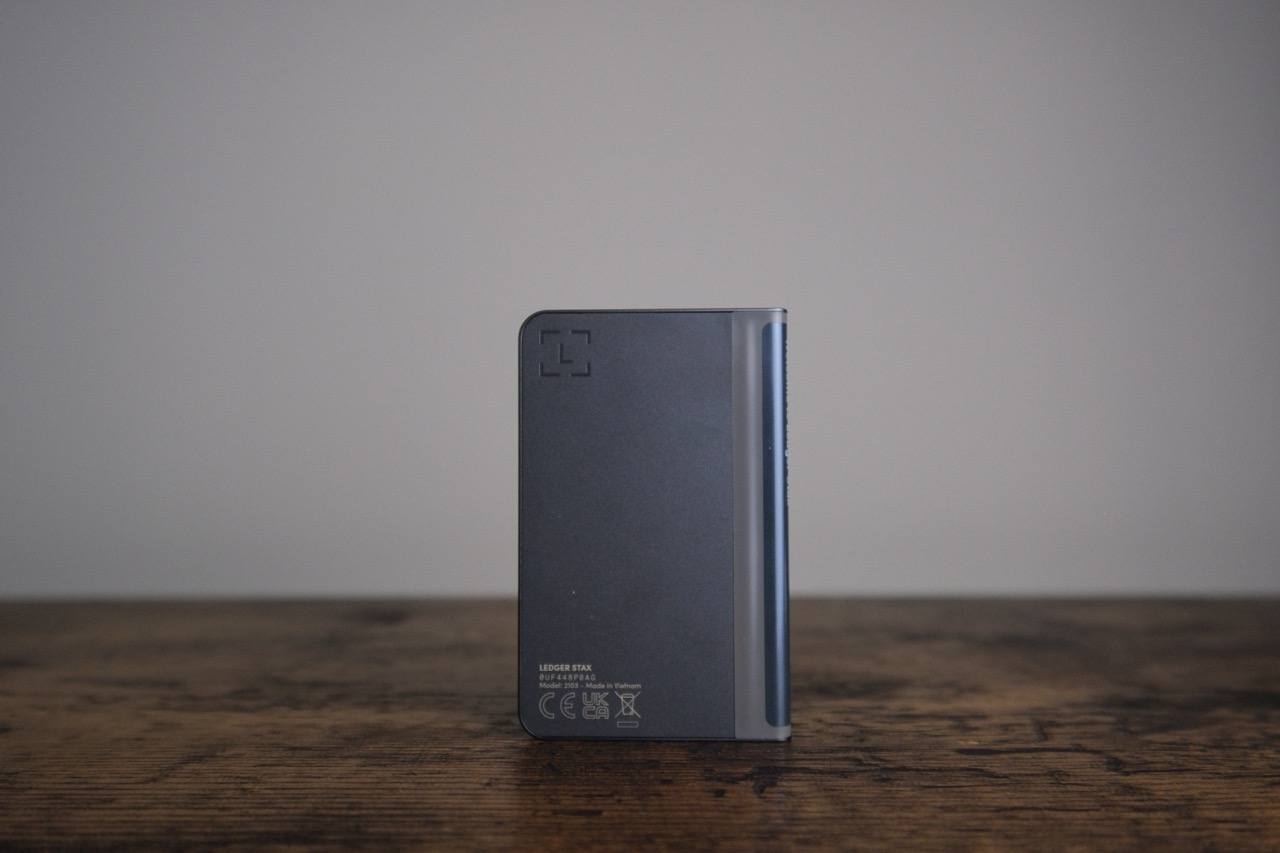
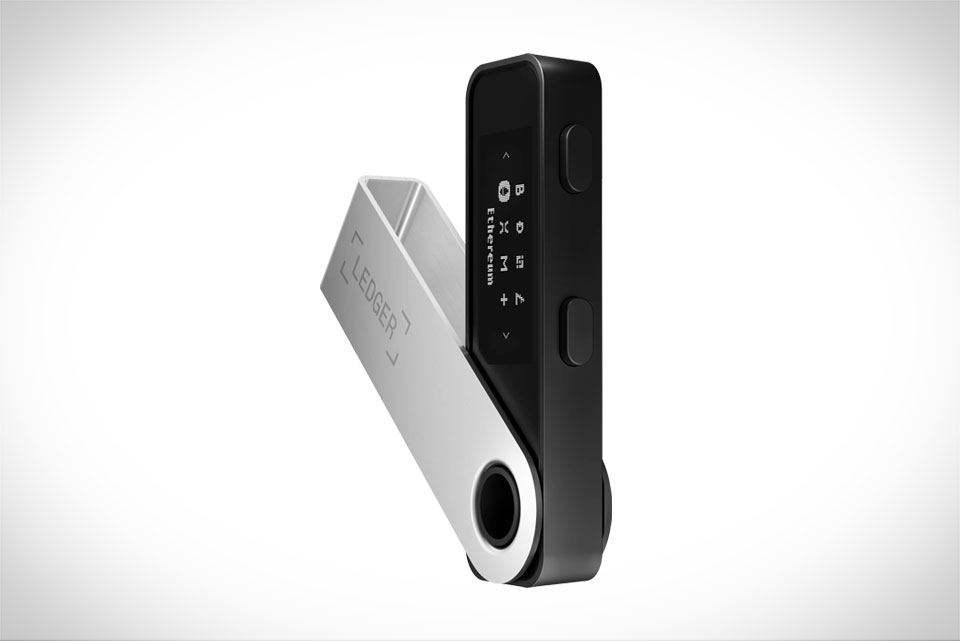
Ledger has recognized the significance of ISO 27001 in the crypto custody space. By adopting this standard, Ledger has demonstrated its commitment to providing a high - level of information security for its customers. Ledger's hardware wallets are designed to store private keys securely, and the company's overall operations are in line with ISO 27001 requirements.
For instance, Ledger has strict access controls in place. Only authorized personnel can access sensitive information related to customer accounts and the company's internal systems. This is in line with ISO 27001's requirements for access management. The company also conducts regular security audits to ensure that its security measures are up - to - date and effective. These audits are part of the 'Check' phase of the PDCA cycle.
Ledger also invests in employee training. All employees are educated about information security best practices, which is an important aspect of ISO 27001. By having well - trained staff, Ledger reduces the risk of human error, which can be a significant threat to information security. For example, an employee who is not aware of phishing scams might accidentally disclose sensitive information, but with proper training, such risks can be minimized.
The Benefits of ISO 27001 for Crypto Custodians and Their Customers
For crypto custodians like Ledger, ISO 27001 compliance offers several benefits. Firstly, it enhances the company's reputation. In an industry where trust is crucial, being ISO 27001 compliant signals to customers that the custodian takes information security seriously. This can attract more customers and help the company stand out in a competitive market.
Secondly, ISO 27001 compliance can lead to cost savings in the long run. By identifying and mitigating risks early, the company can avoid costly security breaches. For example, if a crypto custodian can prevent a cyber - attack through proper security measures, it can save on the costs associated with data recovery, legal fees, and damage to its reputation.
For customers, ISO 27001 compliance provides peace of mind. They know that their digital assets and personal information are being protected by a custodian that follows international best practices. For example, a customer who stores a large amount of Bitcoin with Ledger can be more confident in the security of their investment, knowing that Ledger is ISO 27001 compliant.
In conclusion, the combination of Ledger and ISO 27001 is a powerful one in the world of crypto custody. It ensures that information security is at the forefront of operations, benefiting both the custodian and its customers.