Step-by-Step Process for Secure Bridging
Rootstock (RSK) is a smart contract platform that is fully compatible with the Ethereum Virtual Machine (EVM) and is pegged to Bitcoin. Bridging Bitcoin to Rootstock using a Ledger device allows users to engage in smart contract functionality with their BTC. This article will provide a detailed guide on how to achieve this.
Prerequisites
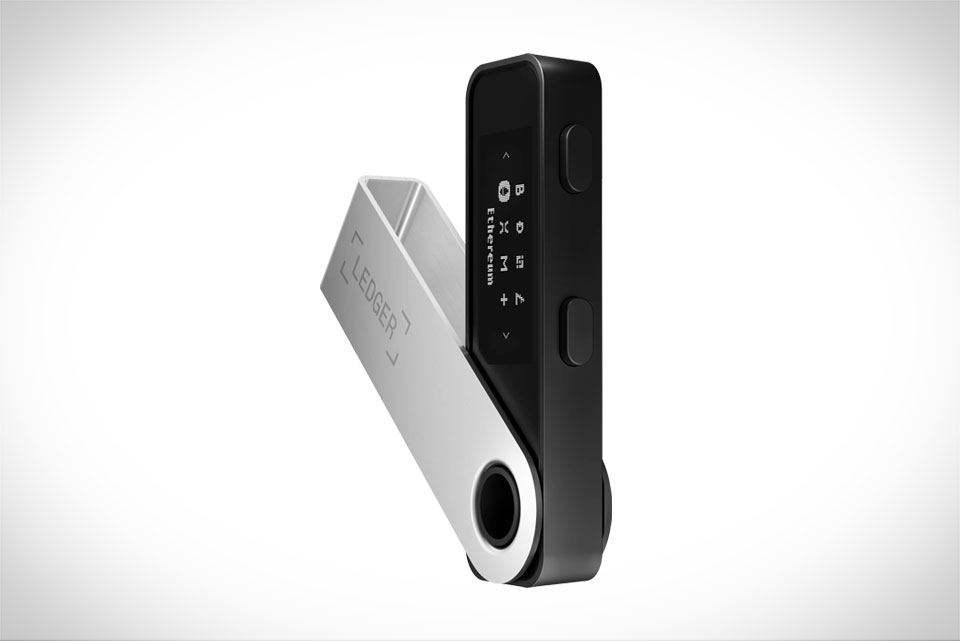
Before you start the bridging process, there are several prerequisites you need to meet. First, you must have a Ledger hardware wallet. Ledger wallets are renowned for their high - level security features, protecting your private keys from potential threats. Popular models include the Ledger Nano S and Ledger Nano X.
Next, you need to have the Ledger Live application installed on your computer or mobile device. Ledger Live serves as the interface between your Ledger wallet and the blockchain. It allows you to manage your cryptocurrencies, install apps, and perform various transactions.
You also need to have some Bitcoin in your Ledger wallet. The amount can vary depending on your intended use in the Rootstock smart contracts. Additionally, you should create an RSK address. You can do this through an RSK - compatible wallet, such as MyCrypto or Metamask configured for the RSK network.
For example, John, a cryptocurrency enthusiast, wanted to bridge his Bitcoin to Rootstock. He first purchased a Ledger Nano X, installed Ledger Live on his laptop, and transferred some Bitcoin to his Ledger wallet. He then used MyCrypto to create an RSK address.
Setting Up the Ledger for RSK
Once you have met the prerequisites, the next step is to set up your Ledger for RSK. Open the Ledger Live application and navigate to the Manager section. Here, you can search for the RSK app. Click on the Install button next to the RSK app. This will download and install the app on your Ledger device.
After the installation is complete, you need to unlock your Ledger device using your PIN. Navigate to the RSK app on your Ledger and open it. This will establish a connection between your Ledger and the RSK network.
Make sure that your Ledger device is updated to the latest firmware. Outdated firmware may cause compatibility issues or security vulnerabilities. You can check for firmware updates in the Ledger Live application under the Settings section.
For instance, Sarah followed these steps to set up her Ledger Nano S for RSK. She installed the RSK app from the Ledger Live Manager, unlocked her device, and opened the RSK app. She also updated her device's firmware to ensure a smooth experience.
Bridging Bitcoin to Rootstock
To bridge your Bitcoin to Rootstock, you will use the RSK Federation Bridge. This is a two - way peg mechanism that allows for the transfer of Bitcoin to RSK - BTC (RBTC) and vice versa. First, access the RSK Federation Bridge website. Connect your Ledger wallet to the website using the RSK app on your device.
On the bridge website, enter the amount of Bitcoin you want to bridge. Confirm the transaction on your Ledger device. The Bitcoin will be sent to the Federation's multisignature address. Once the Bitcoin is received, the equivalent amount of RBTC will be minted and sent to your RSK address.
It's important to note that the bridging process may take some time, usually a few confirmations on the Bitcoin network. You can track the progress of your transaction on the Bitcoin blockchain explorer and the RSK blockchain explorer.
For example, Mark wanted to bridge 0.5 Bitcoin to Rootstock. He accessed the RSK Federation Bridge, connected his Ledger wallet, entered the amount, and confirmed the transaction on his Ledger. After waiting for a few hours for the confirmations, he saw the equivalent amount of RBTC in his RSK address.
Once you have successfully bridged your Bitcoin to Rootstock, you can use the RBTC in various smart contracts on the RSK platform. You can participate in decentralized finance (DeFi) protocols, create your own smart contracts, or engage in other blockchain - based activities.