Your recovery phrase—also known as a seed phrase, mnemonic phrase, or secret recovery phrase—is the master key to your cryptocurrency wallet. It is a sequence of 12 to 24 randomly generated words that serves as the backup for your private keys. Lose it, and you lose access to your funds. There is no "forgot password" button, no customer support team that can help you retrieve it, and no central authority holding a backup.
But what exactly should you do if you find yourself in this situation? The answer depends on whether you still have access to your wallet device. Here is a step-by-step guide.
Step 1: Check If You Still Have Access to Your Wallet
Before panicking, determine whether you can still open your wallet on your device.
If you still have access to your wallet, you are in a fortunate position. Immediately create a new wallet with a freshly generated recovery phrase, back it up properly, and transfer all your funds from the old wallet to the new one. This is the safest and most reliable course of action. Once the transfer is complete, you can discard the old wallet and rely solely on the new recovery phrase.
If you no longer have access to your wallet (your device is lost, stolen, broken, or reset), and you do not have your recovery phrase, your situation is far more serious. In most cases, your funds are permanently lost.
Step 2: Try to Find the Phrase
Before assuming the worst, conduct a thorough search:
Check every physical location where you might have stored a written backup—safes, drawers, books, wallets, safety deposit boxes.
If you stored the phrase digitally, check your encrypted storage, password managers, or offline devices. (Note: storing recovery phrases digitally is not recommended due to hacking risks.)
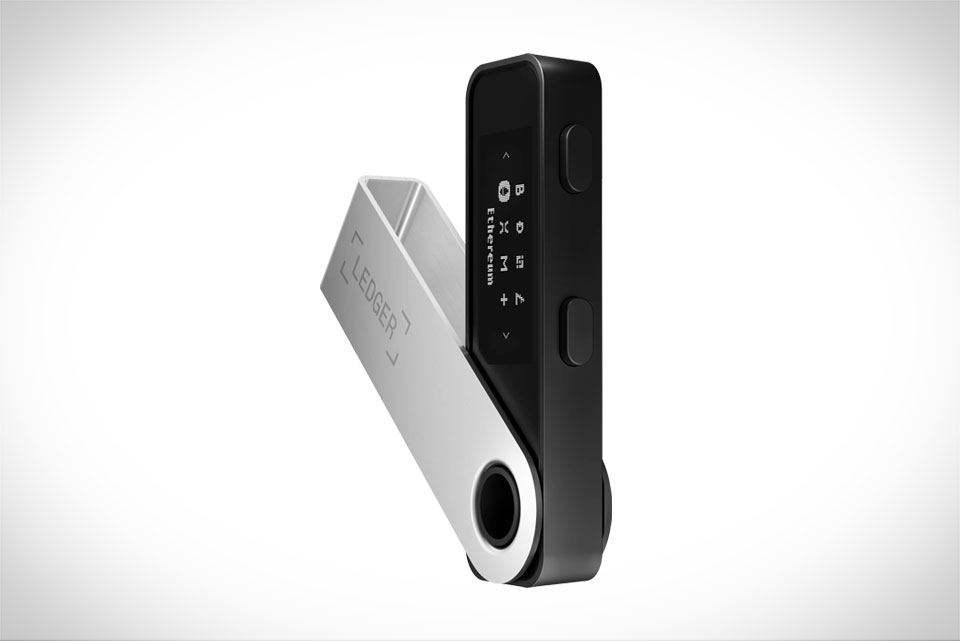
If you use a hardware wallet like Ledger, some models offer a "Recovery Check" app that can verify whether your written phrase matches the one on your device—but this only helps if you still have the device.
Step 3: If You Have a Partial Phrase
If you remember most of the words but are missing a few, recovery may still be possible. Industry analysts suggest that if up to three or four words are missing, specialized tools can sometimes reconstruct the phrase through brute force.
Tools like BTCRecover (open-source) and SeedPhraseFinder can systematically search for missing words using the BIP-39 wordlist of 2,048 words. However, success depends on how many words are missing and how much of the phrase you already know.
Important warning: Only use such tools on an offline, air-gapped computer. Entering your partial seed phrase into any online tool exposes you to significant security risks.
Step 4: Consider Custodial vs. Non-Custodial Wallets
Your recovery options also depend on the type of wallet you use:
Non-custodial (self-custody) wallets (e.g., MetaMask, Trust Wallet, Ledger, Trezor): If you lose your recovery phrase and your device, there is no recovery option. No one can reset your password or retrieve your phrase for you.
Custodial wallets (e.g., exchange-managed wallets like Coinbase or Binance): Because the exchange holds your private keys, they may offer recovery options through identity verification or password reset via email and 2FA. However, this contradicts the core crypto principle of "not your keys, not your coins".

Step 5: Prevention Is the Only Real Solution
Since recovery from a completely lost phrase is nearly impossible, prevention is critical. Follow these best practices:
Write it down on paper—never store it as a screenshot, in plain text, or in cloud storage.
Store multiple copies in different secure locations (e.g., home safe, safety deposit box).
Consider metal backups—engrave your phrase on stainless steel or titanium for durability against fire, water, and corrosion.
Never share your recovery phrase with anyone—scammers frequently impersonate support teams to steal it.
Test your backup—before using a wallet regularly, try restoring it once on a secondary device to confirm your phrase is correct.
Consider optional recovery services—some platforms like Ledger Recover offer ID-based key recovery services that back up your secret recovery phrase. These are opt-in services designed for users who want an additional layer of security.
The Harsh Reality
Estimates suggest that by 2022, up to $545 million worth of Bitcoin had been lost due to lost passwords or incorrect recovery phrases. These funds remain on the blockchain, visible but permanently inaccessible. The decentralized nature of cryptocurrency that gives you full control over your assets also means that you alone are responsible for safeguarding your recovery phrase.