All you need to know about Ledger’s compatible crypto assets
Major Native Cryptocurrencies

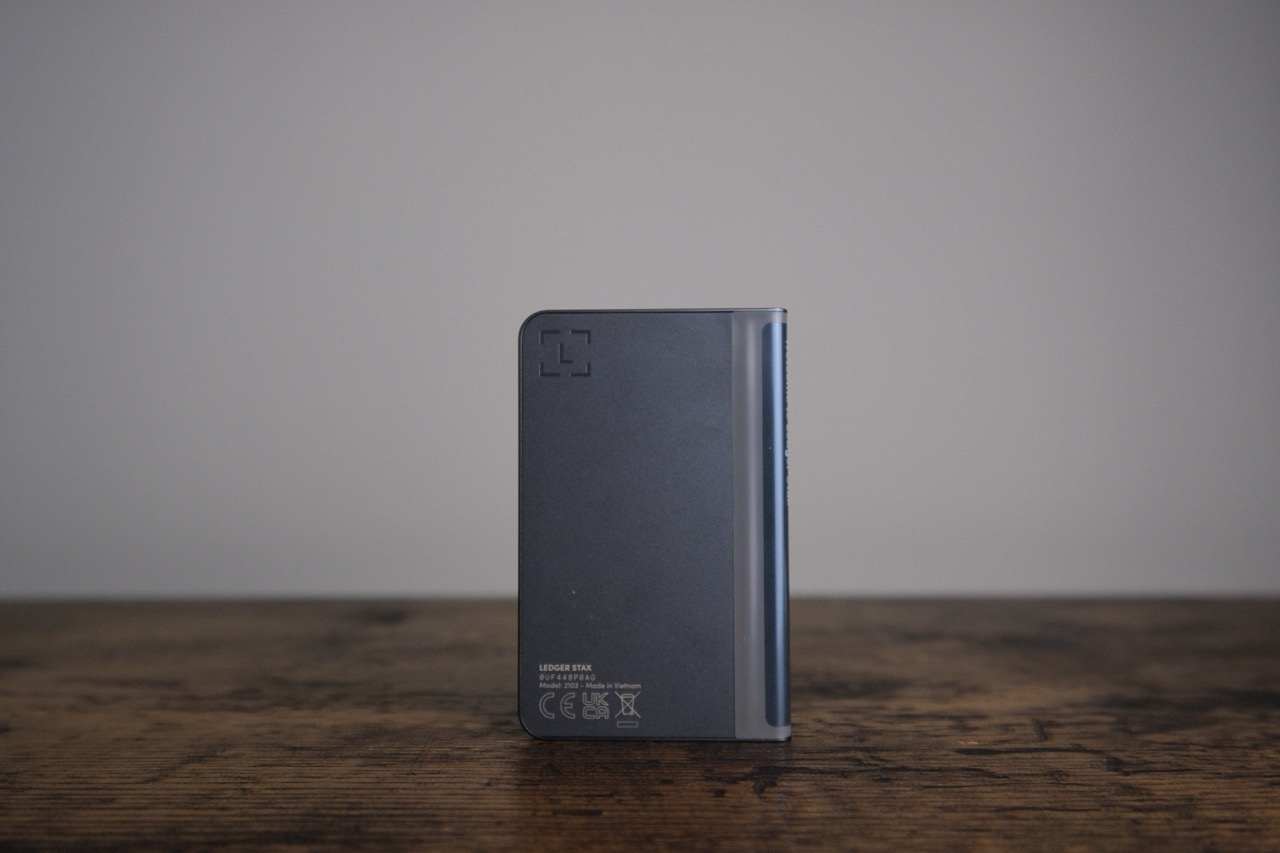
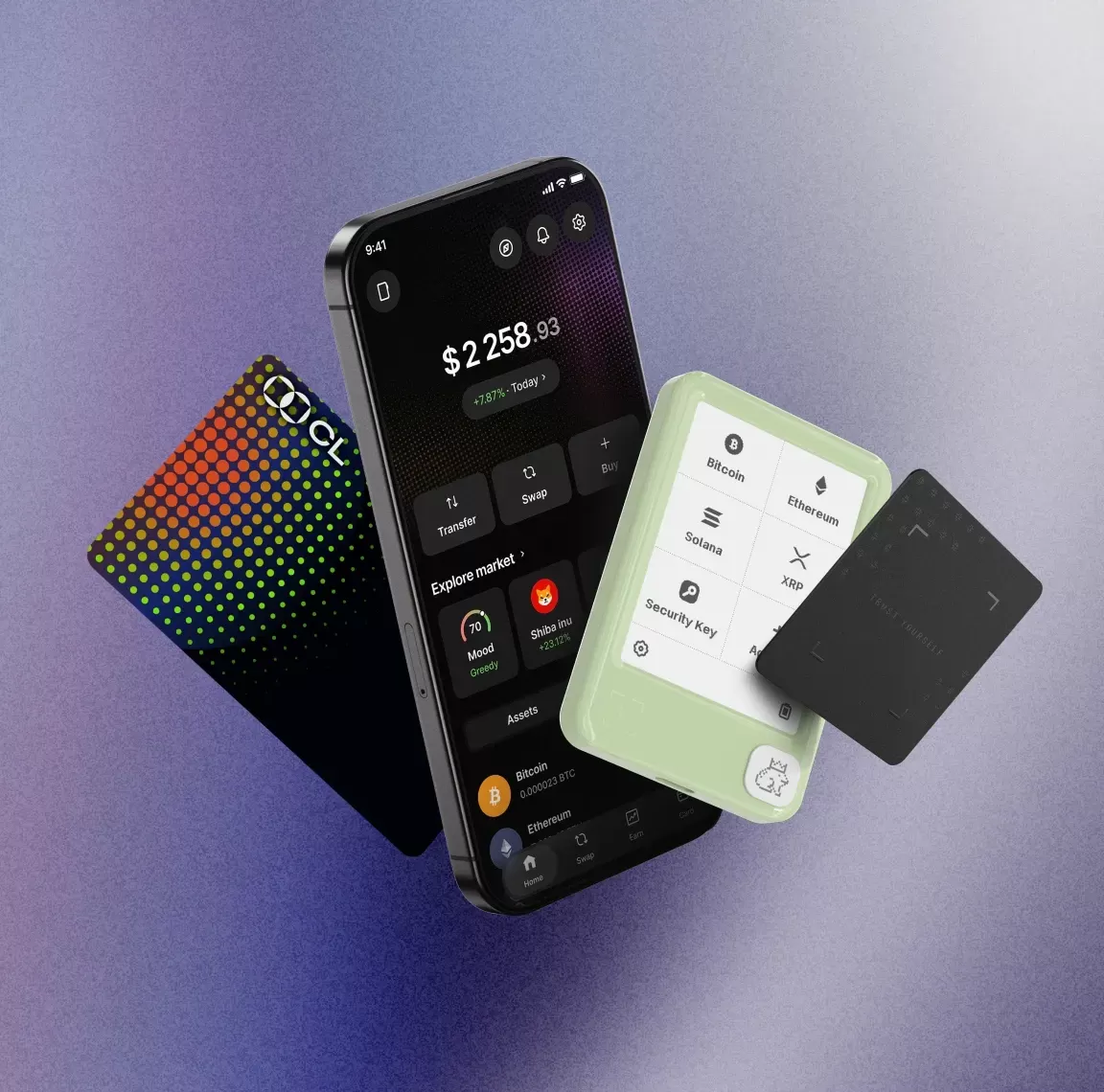
Ledger’s hardware wallets—including Nano S Plus, Nano X, and Stax—support all top native cryptocurrencies natively, no extra configuration required. Bitcoin (BTC) leads this list, with built-in SegWit and Taproot integrations that cut transaction fees and speed up processing times, a big plus for frequent Bitcoin users. Ethereum (ETH) works seamlessly too, and Ledger has recently added native support for Ethereum’s layer 2 networks like Arbitrum and Optimism, letting users access these scaling solutions without third-party tools. Other key native assets include Solana (SOL), Cardano (ADA), Polkadot (DOT), Litecoin (LTC), and Dogecoin (DOGE). For new users, setting up a Nano X means Bitcoin is already visible in the asset menu; there’s no need to manually add core coins, which simplifies the onboarding process and reduces user error. Every native coin benefits from Ledger’s secure element, so private keys never leave the hardware device, a critical security feature that protects funds from online hacks.
EVM-Based Tokens
Ethereum Virtual Machine (EVM) tokens make up the largest segment of Ledger’s supported assets, covering thousands of projects across various EVM-compatible chains. To access these tokens, you just connect your Ledger device to Ledger Live, select the relevant network, and your token balances will populate automatically. Common examples include stablecoins like USDT, USDC, and DAI, as well as governance tokens like Uniswap (UNI), Aave (AAVE), and Compound (COMP). Even newer EVM layer 2s such as Base, Scroll, and Linea are fully supported now, so users can hold and transfer tokens built on these chains without switching between multiple wallets. A practical example: a trader who uses Base for low-fee swaps can store their Base-based USDC in Ledger, avoiding the risk of leaving funds on an exchange long-term. Ledger also supports multi-chain EVM tokens, meaning users can manage assets across different EVM networks from the same Ledger device.
Non-EVM Complementary Assets
Recognizing that not all crypto exists on EVM chains, Ledger has expanded its compatibility to cover non-EVM ecosystems, catering to niche user needs. For Solana users, the Ledger Solana app supports SPL tokens like Raydium (RAY), Serum (SRM), and Audius (AUDIO), along with Solana NFTs. Cardano’s native tokens—including project-specific assets from the Cardano ecosystem—are accessible via the Cardano Ledger app, with full functionality for staking ADA and claiming rewards. Polkadot’s parachain tokens, such as Astar (ASTR) and Moonbeam (GLMR), are also supported; Moonbeam, an EVM-compatible parachain, bridges Polkadot and Ethereum, so users can move assets between both networks securely. This support is essential for users who hold assets in smaller, specialized ecosystems that aren’t part of the Ethereum network, ensuring they can keep all their funds in one secure hardware wallet.
Specialized and Niche Assets
Beyond mainstream coins and tokens, Ledger supports a range of specialized digital assets tailored to specific use cases. Stablecoins like TUSD, BUSD, and FRAX are integrated into Ledger Live for easy management and transfers, with the same security as native coins. Staking derivatives, such as ETH staked derivatives (stETH) and SOL staked derivatives (stSOL), are supported, letting users earn staking rewards while keeping their assets offline. NFTs from multiple blockchains—Ethereum, Solana, Cardano—can be viewed and managed directly in Ledger Live, so collectors don’t need separate NFT wallets. For example, a collector with Solana-based pixel art NFTs can check their full collection via Ledger, ensuring their digital art is stored safely. Privacy-focused coins like Monero (XMR) and Zcash (ZEC) are also supported, though they require specific app installations to enable their privacy features, catering to users who prioritize anonymous transactions.