Key security differences for protecting your digital crypto assets
Core Security Architecture Differences
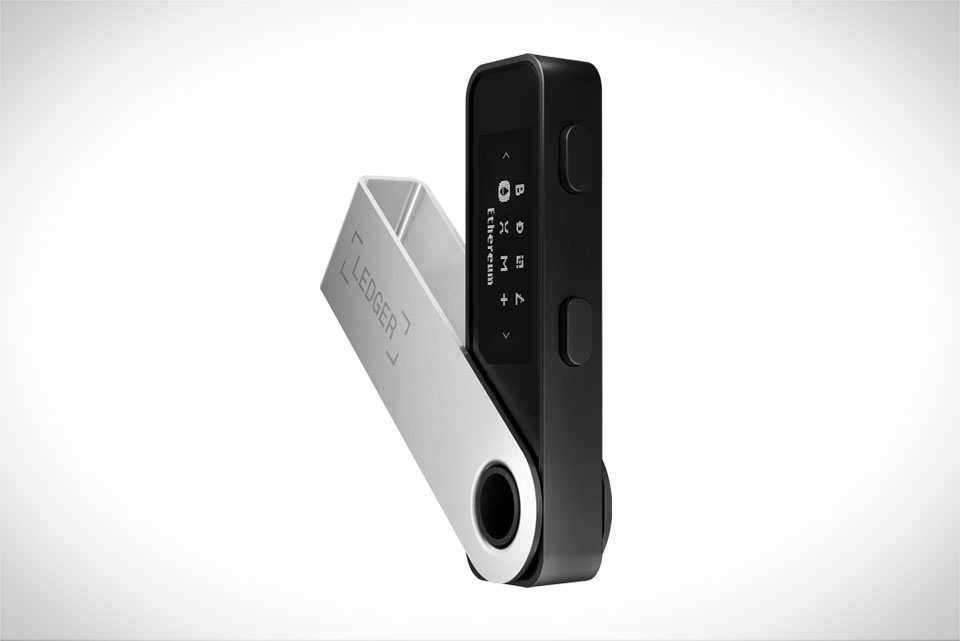
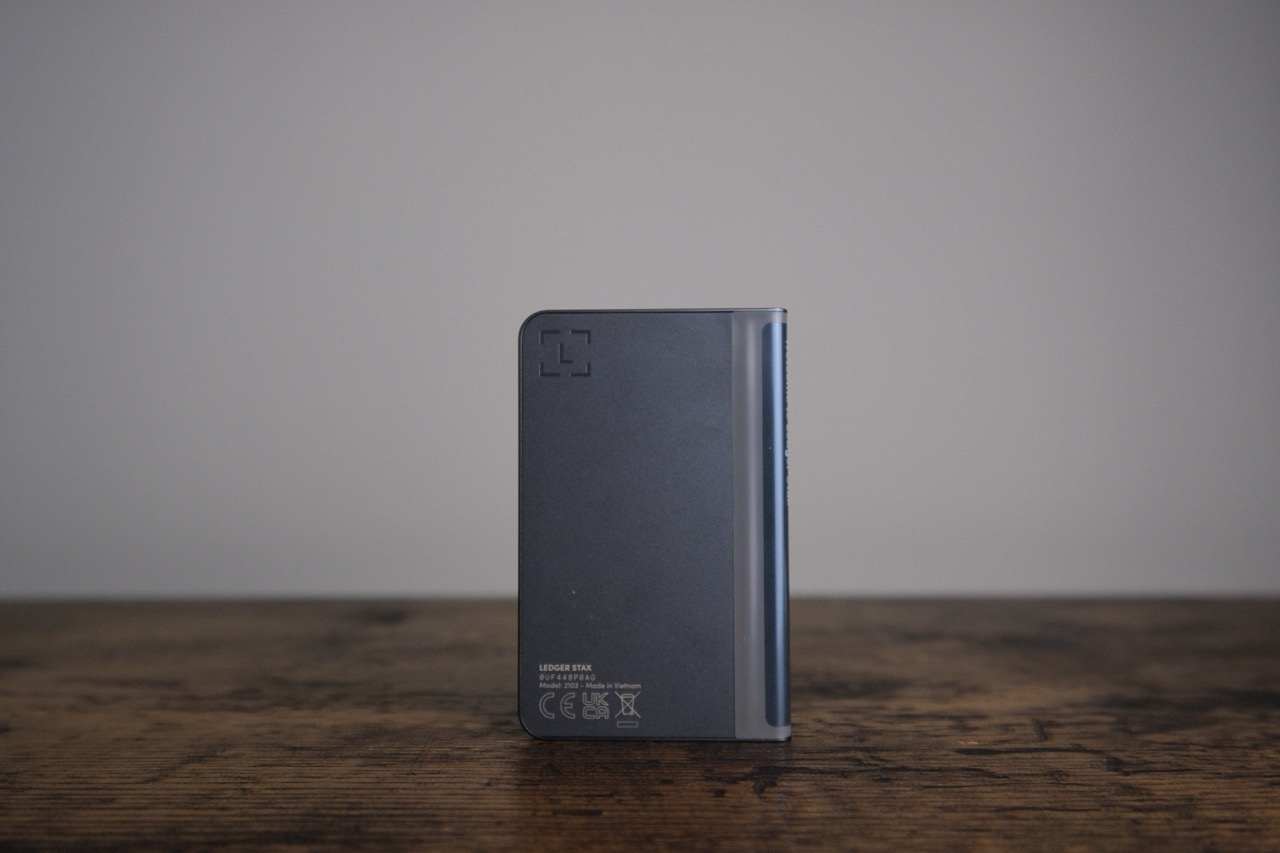
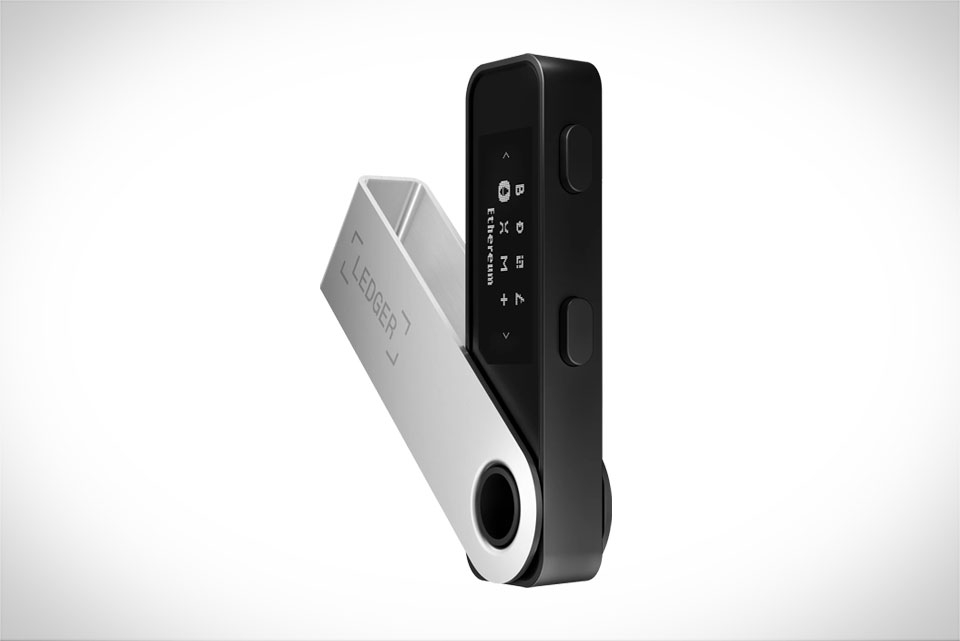
When storing cryptocurrency, the most critical divide lies in where your private keys reside. Ledger is a hardware wallet—small, physical devices that generate and keep private keys completely offline, like a USB stick. These keys never connect to the internet, so they can’t be accessed remotely by hackers. Mobile wallets, by contrast, are software apps installed on your smartphone. Their private keys are stored either in the app’s local device storage or synced to cloud backups, both of which are linked to the web. For example, a Ledger Nano S requires you to physically confirm transactions on the device’s tiny screen, adding a layer of physical authentication that mobile wallets can’t easily replicate. This offline key handling is the foundation of Ledger’s security advantage over mobile options.
Risk of Device Compromise
Mobile wallets face far higher risks from device breaches. Phones are always connected to the internet, making them prime targets for malware, keyloggers, and spyware. If your phone gets infected with a malicious app, that malware can snoop on your wallet’s private keys or intercept transaction details in real time. Ledger, as a physical device, only connects to the internet when you intentionally plug it into a computer or phone to send crypto. Even then, the transaction is signed directly on the Ledger device, so the private key never leaves the hardware. A 2022 CipherTrace study found that 68% of mobile crypto thefts in the first half of that year came from malware-infected devices, compared to less than 2% for hardware wallets like Ledger.
Phishing and Social Engineering Vulnerabilities
Both wallets are vulnerable to phishing, but their attack paths differ. For mobile wallets, phishing often targets the app itself: fake update prompts, malicious links that trick users into entering their 12 or 24-word recovery phrases directly into a scammer’s website. Mobile apps also rely on third-party servers for features like syncing, creating extra entry points for attackers. Ledger’s phishing risks tie mostly to counterfeit devices or fake support—scammers selling pre-tampered Ledger devices that steal keys during setup. However, Ledger’s open-source firmware and strict official purchase channels reduce this risk if users avoid third-party sellers. A common mobile wallet mistake is reusing passwords across apps, which can lead to wallet access if one account is breached—something hardware wallets don’t link to online accounts at all.
Real-World Security Incident Examples
Actual security breaches highlight the gap clearly. In 2021, a hacker group targeted over 10,000 mobile wallet users via a fake crypto exchange app, stealing $14 million in Bitcoin and Ethereum. The attackers used social engineering to trick users into downloading the app, which logged private keys and sent them to the hacker’s server. By contrast, Ledger has faced only minor data leaks that exposed user names and emails, but no direct crypto theft from users’ devices. In 2020, a Ledger data breach affected 27,000 users, but no funds were stolen because private keys remained secure offline. Another case: a user who lost their iPhone with a mobile wallet had their funds drained within 2 hours, while a Ledger user who lost their device could recover funds using their recovery phrase on a new Ledger without exposing keys during the process.