A comprehensive breakdown of all blockchains available on Ledger’s official interface
Core Layer 1 Blockchains (Flagship Supported Networks)
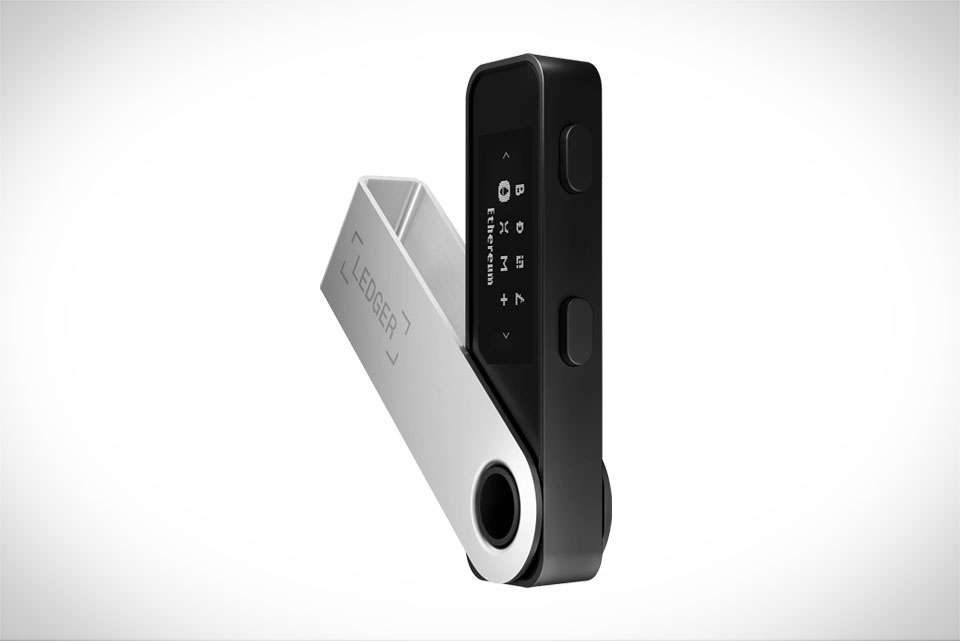
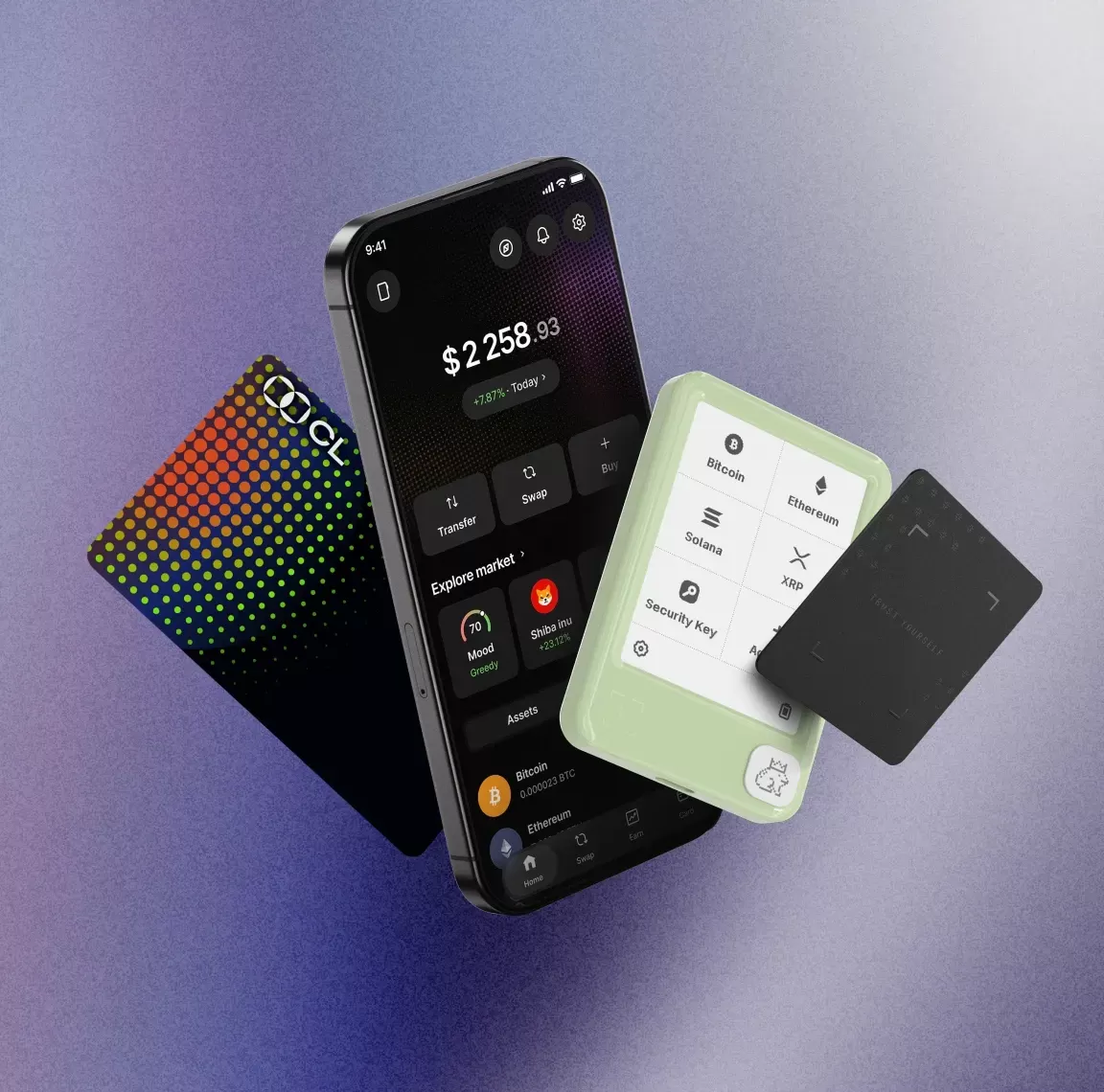
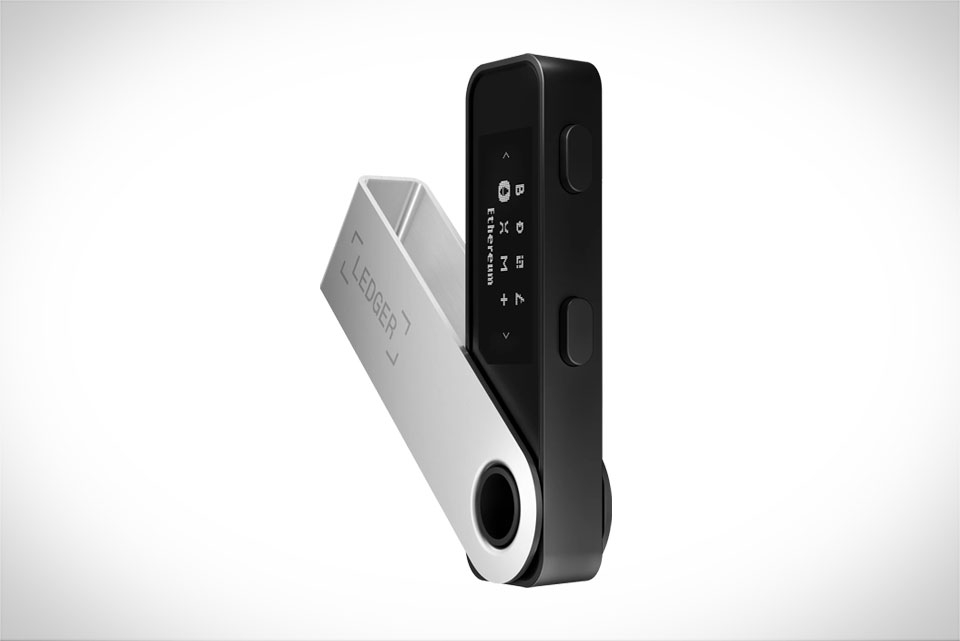
Ledger Live, the official desktop and mobile companion app for Ledger hardware wallets, integrates the most trusted and widely adopted layer 1 blockchains first. Bitcoin, the original cryptocurrency, is at the top of this list, with full support for sending, receiving, and tracking balances using SegWit and Taproot addresses—features that optimize transaction speed and reduce fees. Ethereum, the leading smart contract platform, is another core addition, supporting ETH, ERC-20 tokens, ERC-721 NFTs, and staking via Ledger’s non-custodial Ethereum staking service. For example, a user with a Ledger Nano S Plus can open Ledger Live, connect their device, and send Bitcoin to a friend’s address in minutes, with every transaction signed securely on the hardware wallet, never exposing private keys to the app or internet. Other core chains here include Solana, which added support in 2021, letting users manage SOL and SPL tokens without relying on third-party custodians.
EVM-Compliant Layer 1 Blockchains
Ethereum Virtual Machine (EVM) compatible chains make up a large portion of Ledger’s supported networks, as they share Ethereum’s core infrastructure and tooling. This includes Polygon, the dominant layer 2 scaling solution for Ethereum, which supports MATIC and all Polygon-native tokens, plus seamless integration with dApps built on the network. BNB Chain (formerly Binance Smart Chain) is another key EVM addition, allowing users to manage BNB, BEP-20 tokens, and interact with decentralized exchanges (DEXs) directly through Ledger Live’s built-in dApp browser. A practical use case: if you hold USDC on Polygon, you can use Ledger Live’s swap feature to convert it to USDT on BNB Chain, all while keeping your funds secure on your Ledger device. Other EVM chains here are Avalanche C-Chain, Fantom, Arbitrum, and Optimism, each with full transaction signing and token management support.
Specialized Niche and Purpose-Built Blockchains
Ledger doesn’t stop at mainstream chains; it supports niche blockchains tailored to specific crypto use cases. For instance, Cardano, a proof-of-stake chain focused on academic and technical rigor, is fully integrated, letting users stake ADA to earn passive rewards and participate in on-chain governance. Cosmos, the interchain network, supports ATOM and IBC tokens, making it easy to move assets across different Cosmos zone blockchains without switching wallets. Tezos, another governance-focused chain, allows users to vote on protocol upgrades directly through Ledger Live, ensuring their voice in network decisions is secure. Algorand, known for near-instant transactions and low fees, is also supported, ideal for users who prioritize speed over high network activity. A Cardano user, for example, can delegate their ADA to a stake pool, track reward payouts, and adjust their stake at any time—all without leaving Ledger Live.
Recently Added and Upcoming Supported Blockchains
Ledger regularly updates its supported blockchain list to align with emerging Web3 trends and community demand. In the past year alone, it added Aptos (APT), a high-performance layer 1 built on the Move programming language, and Sui (SUI), another Move-based chain popular among developers for its parallel processing capabilities. More recently, Ledger integrated Immutable X (IMX), a layer 2 solution designed explicitly for NFTs, to support the growing digital collectibles market. Ledger also tests new chains in beta before full deployment, so users can expect additions like potential layer 2s for Bitcoin or new Cosmos zones as they gain traction. For example, when Immutable X launched its mainnet, Ledger collaborated directly with the team to ensure secure transaction signing, allowing users to mint and trade NFTs without exposing their assets to unvetted platforms. This proactive update policy ensures Ledger Live remains a relevant tool for both long-time crypto holders and new users exploring emerging networks.