Exploring a Trusted Pairing for Crypto Token Exchanges
Setting Up the Ledger-Uniswap Connection

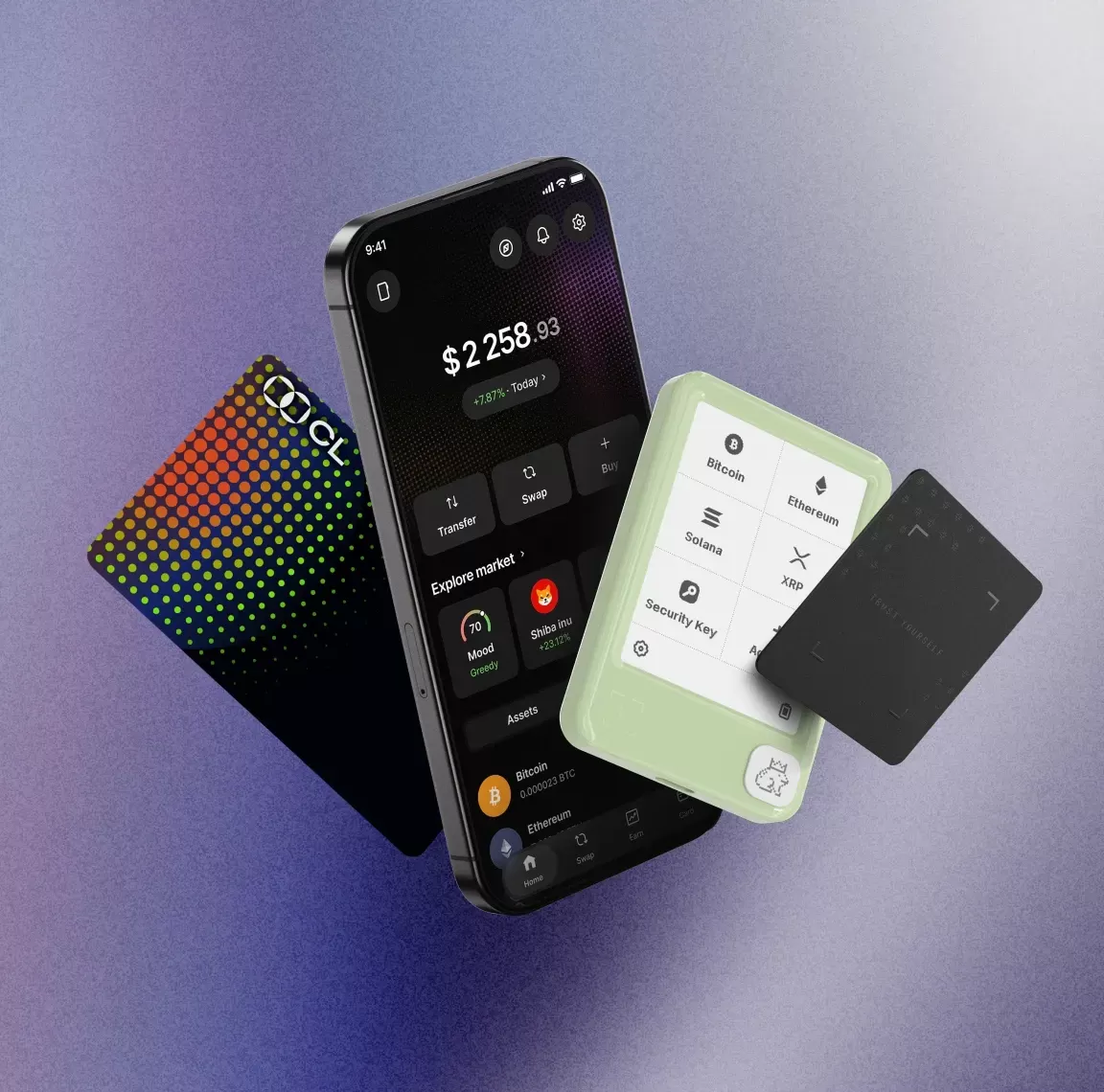
Many crypto traders know Uniswap as a leading decentralized exchange (DEX) powered by Ethereum smart contracts, but pairing it with Ledger’s hardware wallet takes security to another level. The connection starts with linking your Ledger device to the Uniswap interface—no direct transfers of private data here. You simply plug your Ledger Nano S or Nano X into your computer or phone, open the Uniswap app via the browser extension or mobile app, and connect your Ledger account through Web3 wallet integration. Some users prefer the desktop version for larger swaps, but the mobile option works just as well for daily trades. This step is critical because it means your private keys never leave the Ledger device; instead, Uniswap only receives a signed transaction request that the Ledger confirms and approves. For new users, this setup might feel technical at first, but most guides walk through it in three simple clicks, avoiding the need to handle sensitive seed phrases on unsecure websites.
Security Layers Ledger Adds to Uniswap Swaps
Uniswap already uses audited smart contracts to automate swaps, but Ledger adds hardware-based protection that blocks common crypto scams. First, every transaction is signed offline on the Ledger device—this means even if the Uniswap website is compromised or a phishing link tricks you into opening a fake swap page, your keys are never exposed. Second, Ledger displays a clear summary of the swap on its screen before you approve it: it shows the token pair, amount, gas fees, and the recipient address, which is always the official Uniswap smart contract, not a random one. For example, if a scammer tries to redirect your swap to a fake contract, Ledger will flag the mismatched address and refuse to sign the transaction. Third, Ledger’s firmware is updated regularly to patch vulnerabilities, so it stays ahead of new threats targeting DEX users. This combination of Uniswap’s decentralized automation and Ledger’s hardware security eliminates two big risks: online key exposure and hidden transaction tampering.
Step-by-Step: A Real Example of a Safe Swap
Let’s walk through a concrete example to see how this works in practice. Say you want to swap 0.5 ETH for USDC on Uniswap using Ledger. First, you connect your Ledger Nano X to your phone via Bluetooth, unlock it with your PIN, and open the Uniswap mobile app. You select ETH as the input token and USDC as the output, enter 0.5, and set a slippage tolerance—Uniswap’s default is 0.5%, which is safe for most pairs. Next, you click “Review Swap” and the Uniswap interface sends a transaction request to your Ledger. On your Ledger screen, you’ll see clear details: Input 0.5 ETH, Output ~980 USDC, Gas Fee ~0.002 ETH, and the official Uniswap V3 Router address. You double-check all details—if everything matches, you press the “Approve” button on the Ledger. The device signs the transaction offline and broadcasts it to the Ethereum network through Uniswap. The whole process takes less than 10 seconds, and since your keys never left the Ledger, there’s zero chance of someone stealing them mid-transaction. This example shows how the two tools work together seamlessly, turning a potentially risky online action into a secure one.
Key Benefits of This Integration
The Ledger-Uniswap pairing solves core pain points for crypto users, especially those new to DEX trading. One major benefit is peace of mind: hardware wallet users don’t have to worry about browser extensions getting hacked or phishing sites stealing their keys. Another is accessibility—Ledger supports all major tokens on Uniswap, so you can swap any pair without switching wallets. For frequent traders, this integration saves time because you don’t need to transfer funds from your hardware wallet to a hot wallet before using Uniswap. Even for advanced traders who use multiple DeFi protocols, this setup simplifies the swap process without sacrificing security. Additionally, the combined system is transparent: every step is visible on the Ledger screen, so you never have to guess what’s happening with your funds. Unlike centralized exchanges that hold your coins, this setup keeps you in full control of your assets while using Uniswap’s deep liquidity, making it ideal for users who value decentralization and security equally. Over time, more DEXs are partnering with Ledger, but the Uniswap collaboration remains one of the most popular because it balances ease of use with top-tier safety.