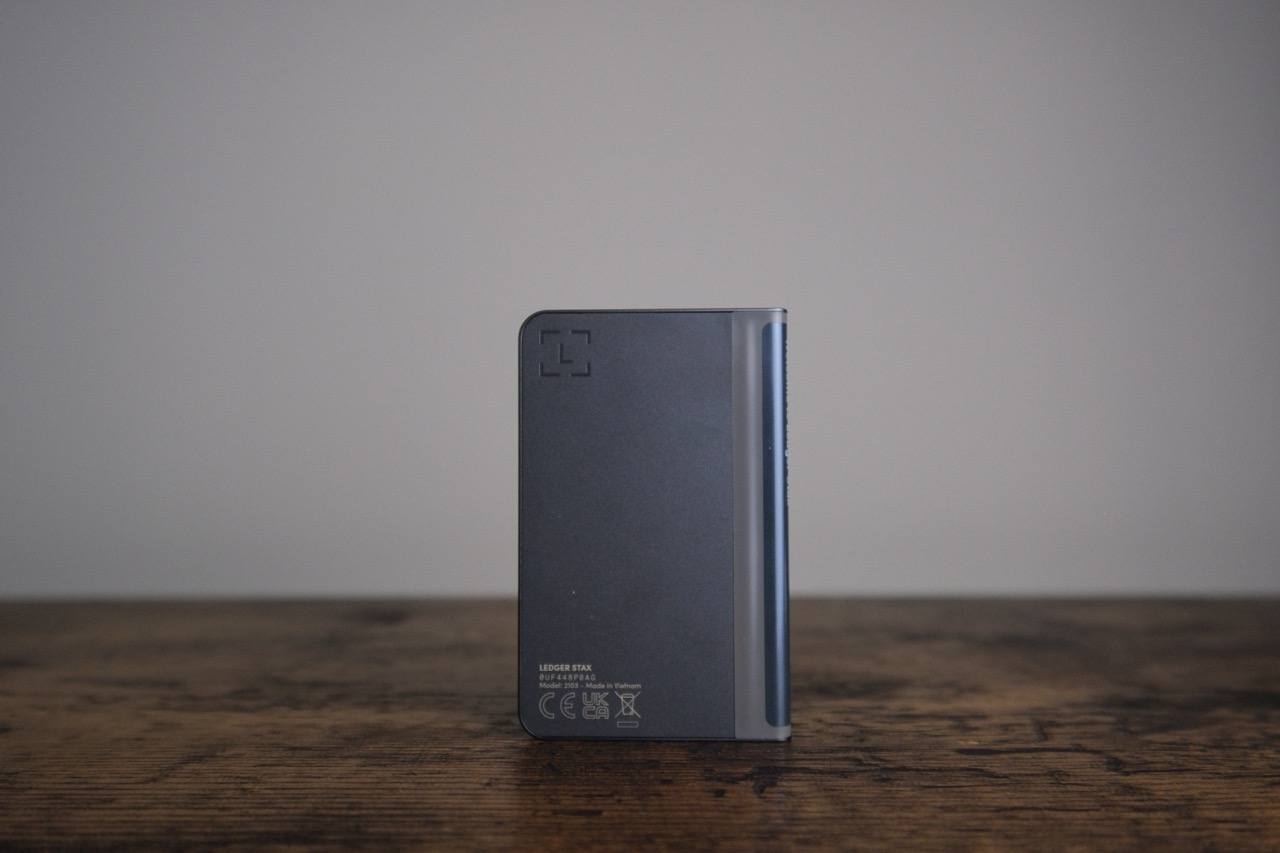
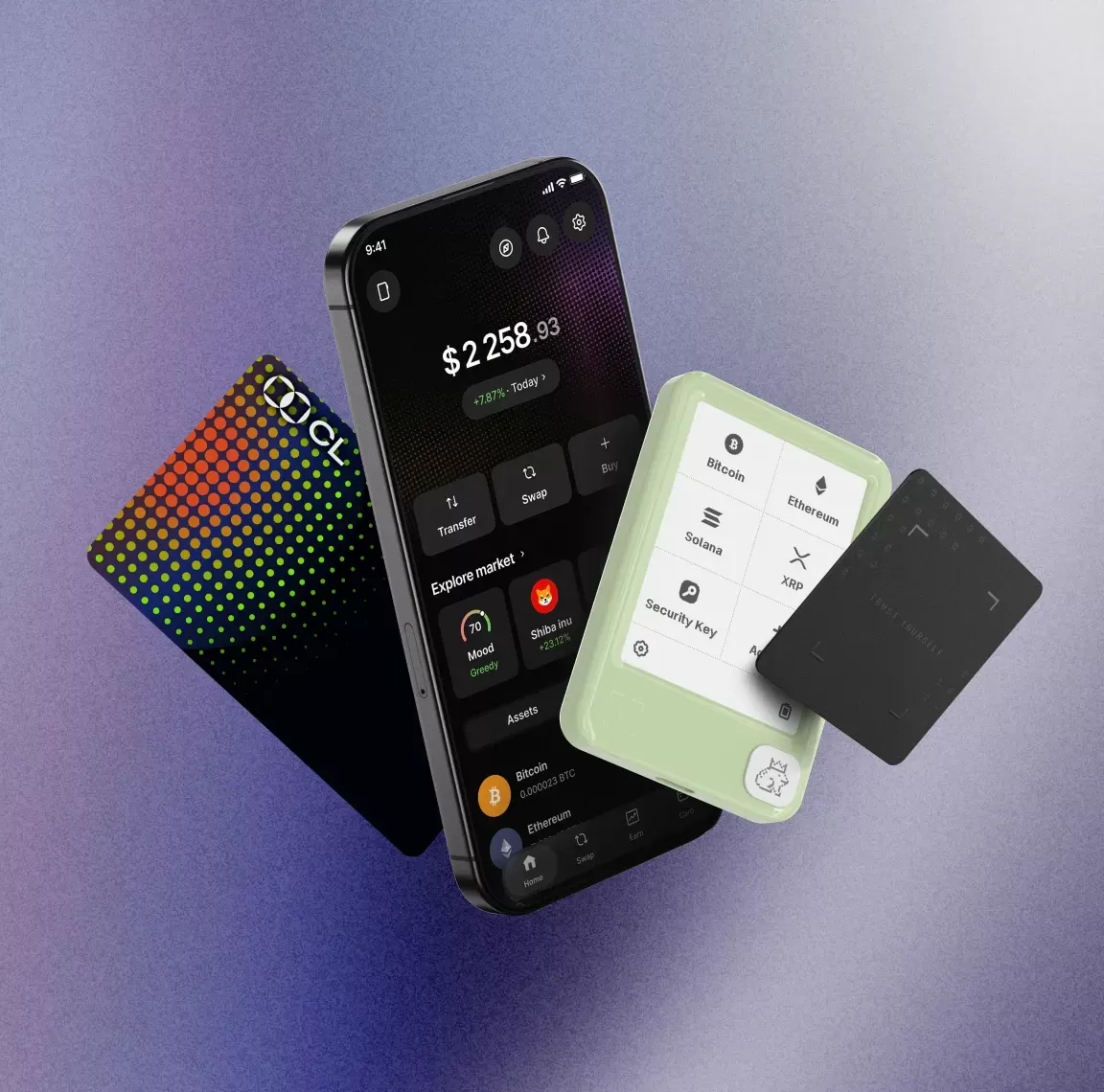
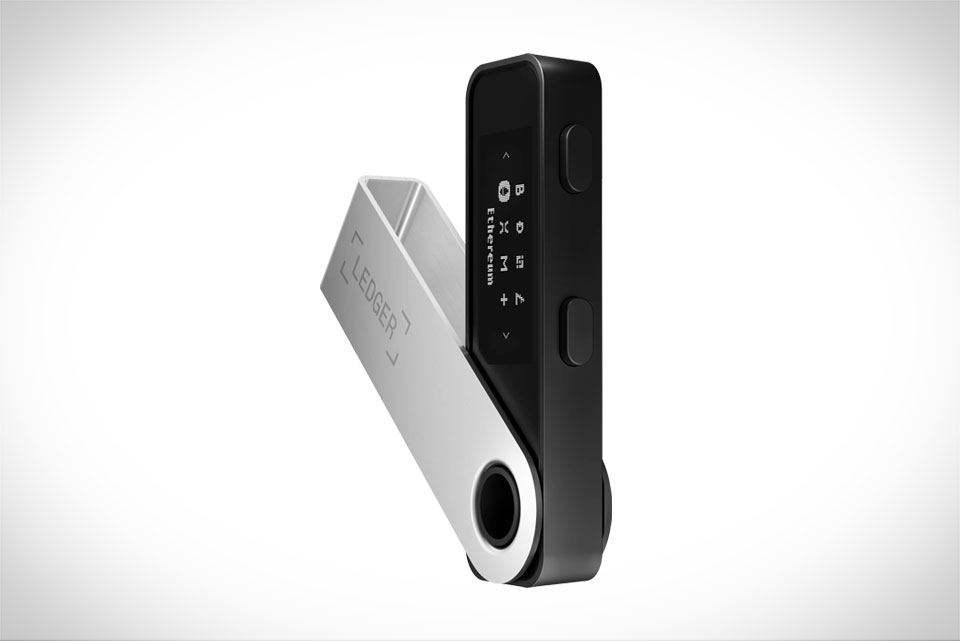
As the Web3 ecosystem expands with decentralized finance (DeFi), NFT marketplaces, and blockchain-based applications, securing crypto assets has become a top priority for users worldwide. While software wallets like MetaMask offer seamless access to thousands of DApps, their hot storage nature (connected to the internet) exposes private keys to phishing, malware, and hacking risks. Hardware wallets, led by Ledger’s Nano series (Nano S, Nano S Plus, Nano X), solve this by storing private keys offline in a CC EAL5+ certified secure element chip—hackers cannot access the key even if your computer is compromised. Combining Ledger Nano with MetaMask creates a powerful hybrid solution: the ironclad security of cold storage paired with the ecosystem compatibility of the world’s most popular Web3 wallet.
Before starting the connection process, users must complete a few preparatory steps to ensure a smooth, error-free experience. First, set up your Ledger Nano device if you haven’t already: create a unique PIN code, and write down your 24-word recovery phrase on the provided metal card or paper backup—never store this phrase digitally, and never share it with anyone. Next, update your Ledger device’s firmware to the latest version via Ledger Live, then install the Ethereum app (for EVM-compatible chains like Ethereum, BSC, Polygon, and Arbitrum) or the app for your target blockchain (e.g., Solana, Bitcoin). Finally, install the MetaMask browser extension (compatible with Chrome, Firefox, Brave, and Edge) or mobile app, and ensure it’s updated to the latest version to support hardware wallet integration.
The step-by-step connection process for desktop browsers is straightforward and takes less than five minutes. Begin by opening your MetaMask extension and clicking on the circular account icon in the top-right corner. Select “Connect Hardware Wallet” from the dropdown menu, then choose “Ledger” as your hardware wallet type and click “Continue.” Next, connect your Ledger Nano to your computer via a USB cable (for Nano X, Bluetooth is also an option, but USB is more stable for first-time connections). Unlock your Ledger device with your PIN, then open the Ethereum (or corresponding blockchain) app—make sure the device screen displays “Application ready” before proceeding, as MetaMask cannot detect the device without the app active.

Back in MetaMask, a popup will show all detected Ledger devices. Select your device from the list and click “Unlock.” MetaMask will then generate a list of accounts derived from your Ledger’s private key, following the BIP-44 standard. Choose the account(s) you want to import (most users start with the first default account, labeled “Ledger 1”) and click “Unlock” again to finalize the connection. Once connected, you’ll see your Ledger account marked with a small hardware wallet icon in MetaMask, confirming that all transactions will require offline signing on the device.
After connecting, there are critical best practices to maintain asset security. Every transaction, token approval, or signature request will require physical confirmation on your Ledger Nano—always carefully verify the transaction details (recipient address, amount, gas fees, and contract addresses) on the device screen before approving, as the private key never leaves the hardware chip. It’s also wise to cross-check your wallet address in MetaMask against the address displayed on your Ledger device (via the “Verify Address” feature in Ledger Live) to avoid phishing or address spoofing scams.
Common connection issues are usually easy to troubleshoot. If MetaMask fails to detect your Ledger, try using a different USB cable (ensure it’s a data cable, not just a charging cable), close Ledger Live (it may conflict with MetaMask’s device access), or check that your browser has granted USB permission to MetaMask in its privacy settings. For Bluetooth connections on Nano X, ensure Bluetooth is enabled on both your device and computer, and that the Ledger is in pairing mode.
In conclusion, connecting a Ledger Nano to MetaMask strikes the perfect balance between security and usability for Web3 users. It lets you interact with DeFi protocols like Uniswap and Aave, trade NFTs on OpenSea and Blur, and explore thousands of DApps—all while keeping your private keys safely offline in a tamper-proof hardware chip. For anyone holding more than a nominal amount of crypto, this combination is an essential step to protect assets in an increasingly digital and risky ecosystem. (Word count: 947)