Key distinctions in crypto security and asset management
Offline Storage Security That Blocks Remote Attacks
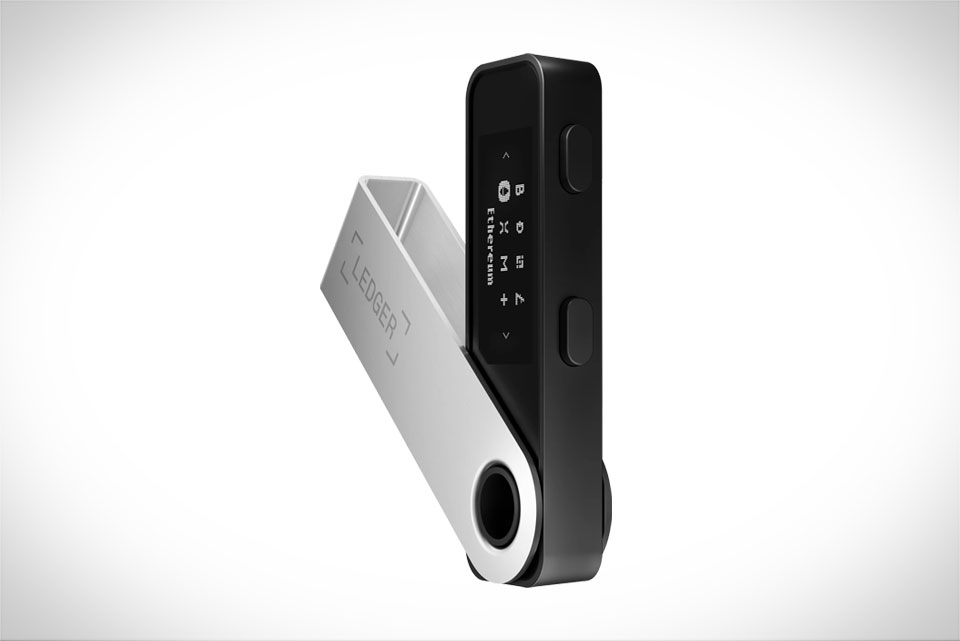
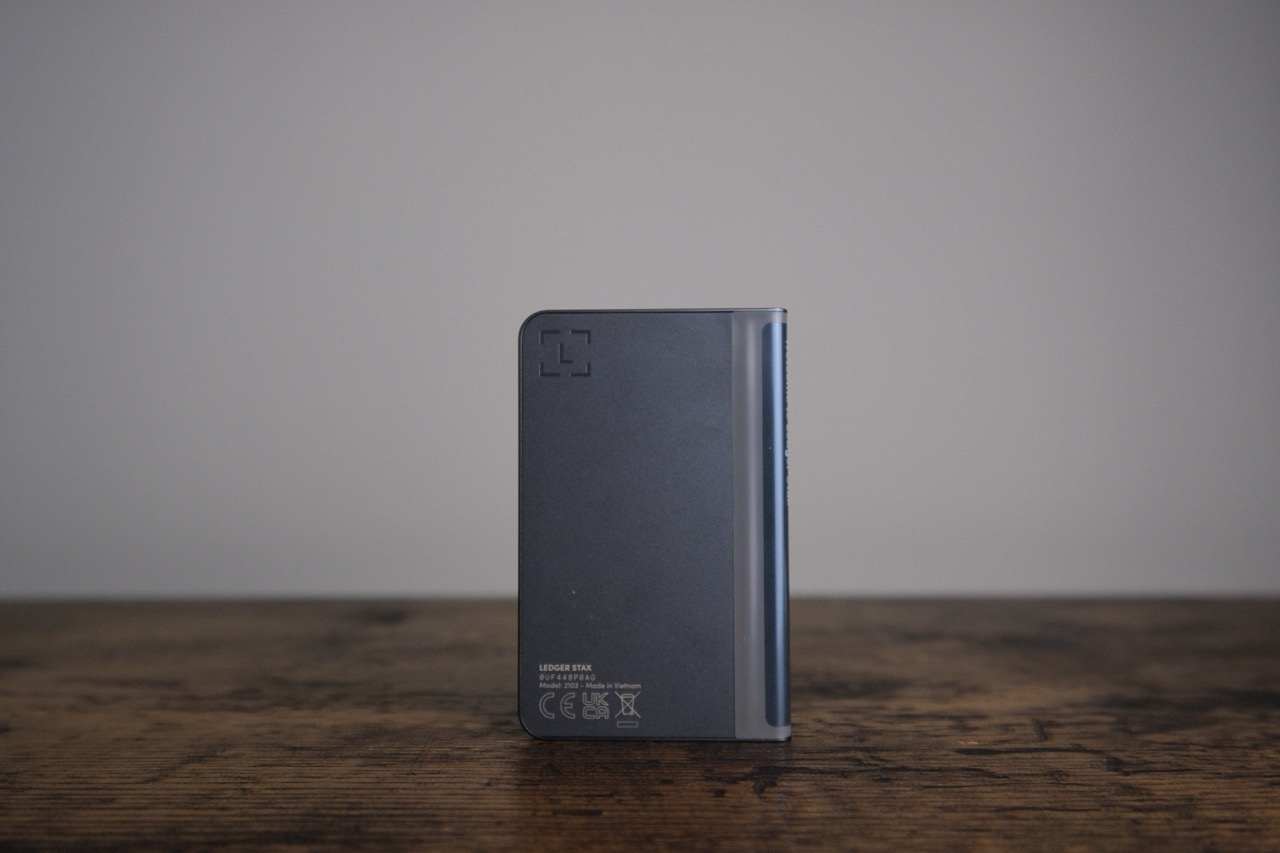
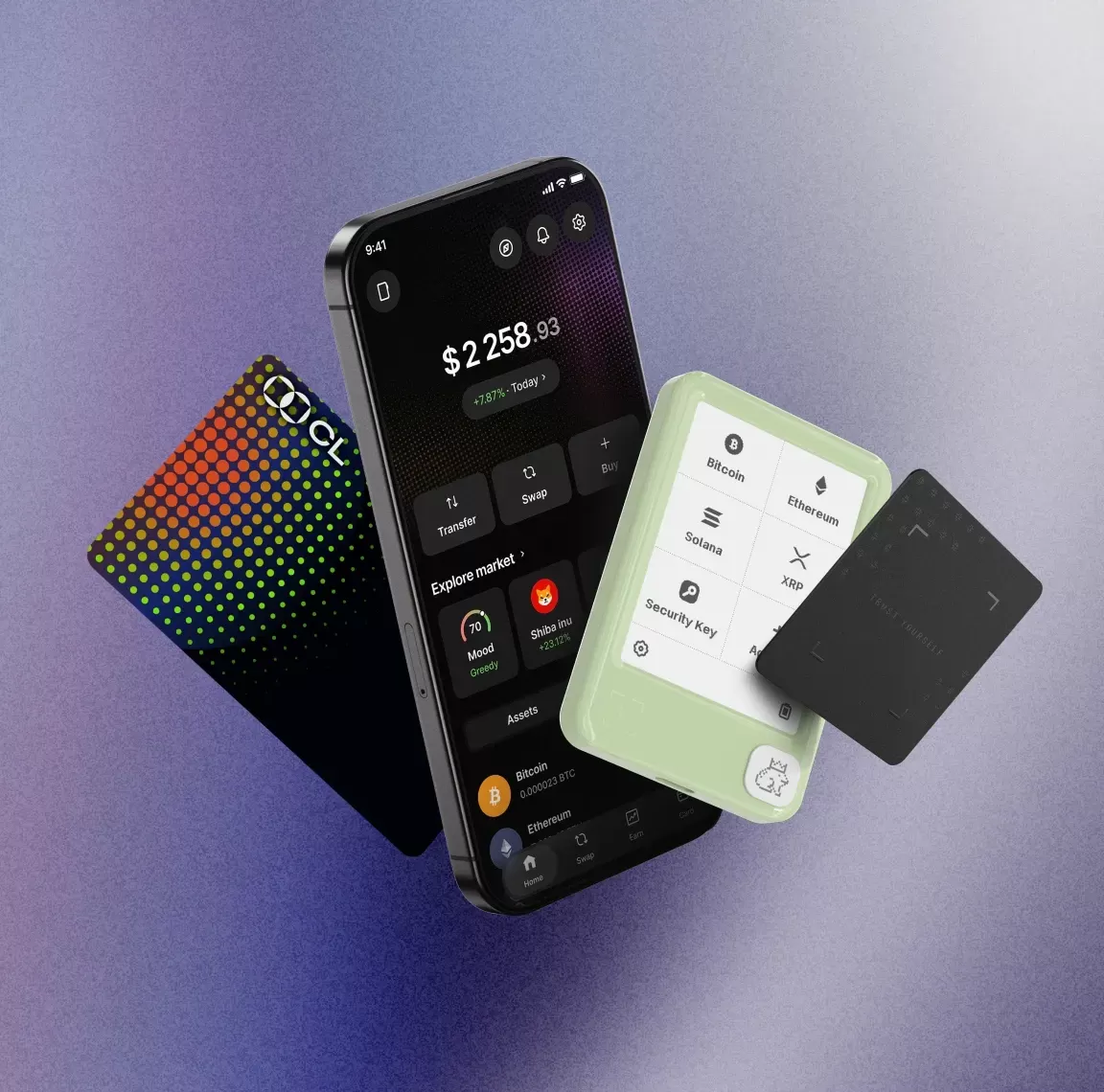
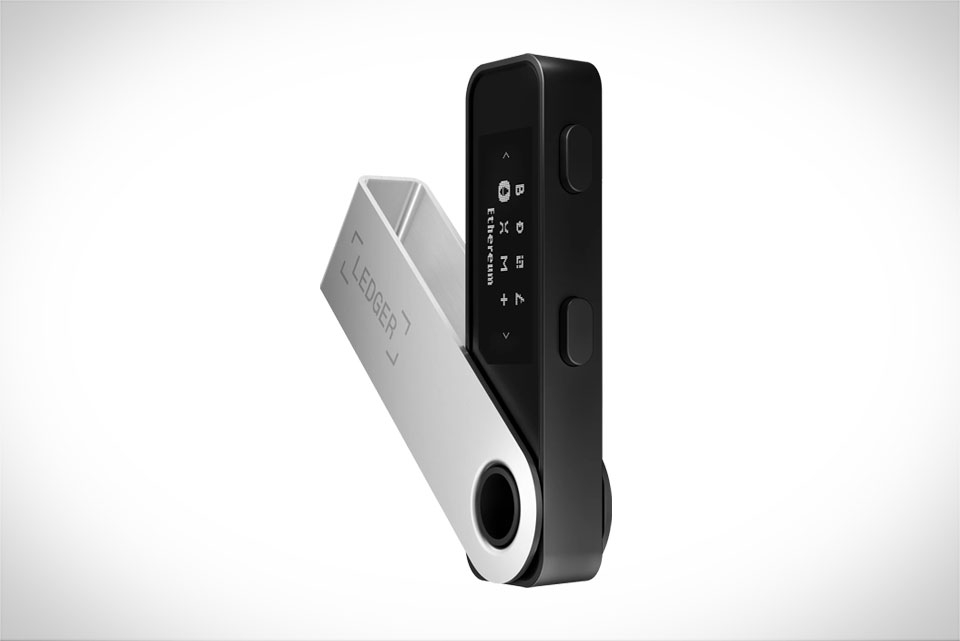
Software wallets run directly on your phone or laptop, meaning their private keys exist on devices connected to the internet 24/7. This constant online presence makes them easy targets for malware, phishing, and keyloggers—for example, in 2022, a popular mobile software wallet saw over $10 million in user funds stolen when a fake update link tricked users into downloading a keylogger that grabbed their private keys, leading to irreversible fund losses. Ledger, by contrast, stores private keys on its physical hardware device, often called a cold wallet. The Ledger device never connects to the internet unless explicitly plugged in for a transfer, so hackers can’t access the keys remotely, even if your computer is infected with the most advanced malware that can log every keystroke or scan open files.
Private Key Control That Stops Third-Party Risks
Many software wallets operate as “custodial” services, where the company behind the wallet holds the private keys for your assets. That means if the wallet company gets hacked, goes bankrupt, or faces government seizure, your funds are at risk—like what happened to a mid-sized software wallet in 2021, when regulators froze its servers to investigate fraud allegations, leaving 50,000 users unable to access their crypto for months. Ledger is non-custodial: your private keys are generated and stored only on your Ledger device, and you never share them with anyone, not even Ledger’s team. You hold full responsibility for keeping your device safe, which is a tradeoff but one that eliminates the risk of a third-party failing you or mismanaging your assets.
Protection Against Software Vulnerabilities
Software wallets rely on the security of their underlying code, and even well-audited software can have unpatched flaws that hackers exploit to drain funds. For instance, a 2023 independent security audit found a critical bug in a top-rated desktop software wallet that allowed attackers to siphon funds if a user opened a malicious email attachment. Ledger’s firmware is built with a key isolation layer, separating the private key storage area from the device’s operating system and companion app. That means even if there’s a flaw in the Ledger Live app (its official software), it can’t reach the secure area where keys are stored—this layered security is a key design feature missing from most software wallets, which combine app and key storage on the same system.
Real-World Asset Accessibility and Reliability
Software wallets work across multiple platforms, but they often struggle with consistency and compatibility when networks are busy. For example, during the 2022 Bitcoin bull run, many software wallets lost sync with the blockchain for hours, leaving users unable to send or receive funds. Ledger, by contrast, works with nearly every major crypto platform, including exchanges, DeFi protocols, and NFT marketplaces, and its backup process is straightforward: you write down a 24-word seed phrase on a physical, tamper-proof card, which you store in a secure location like a home safe. Even if your Ledger device breaks or is lost, you can restore your funds using that seed phrase, with no unnecessary usage limits—something some software wallets impose to prevent abuse, but which creates frustrating barriers for regular users.