A guide to using ledgers to protect your digital wealth when platforms crumble
What a Personal Ledger Actually Entails for Crypto Users

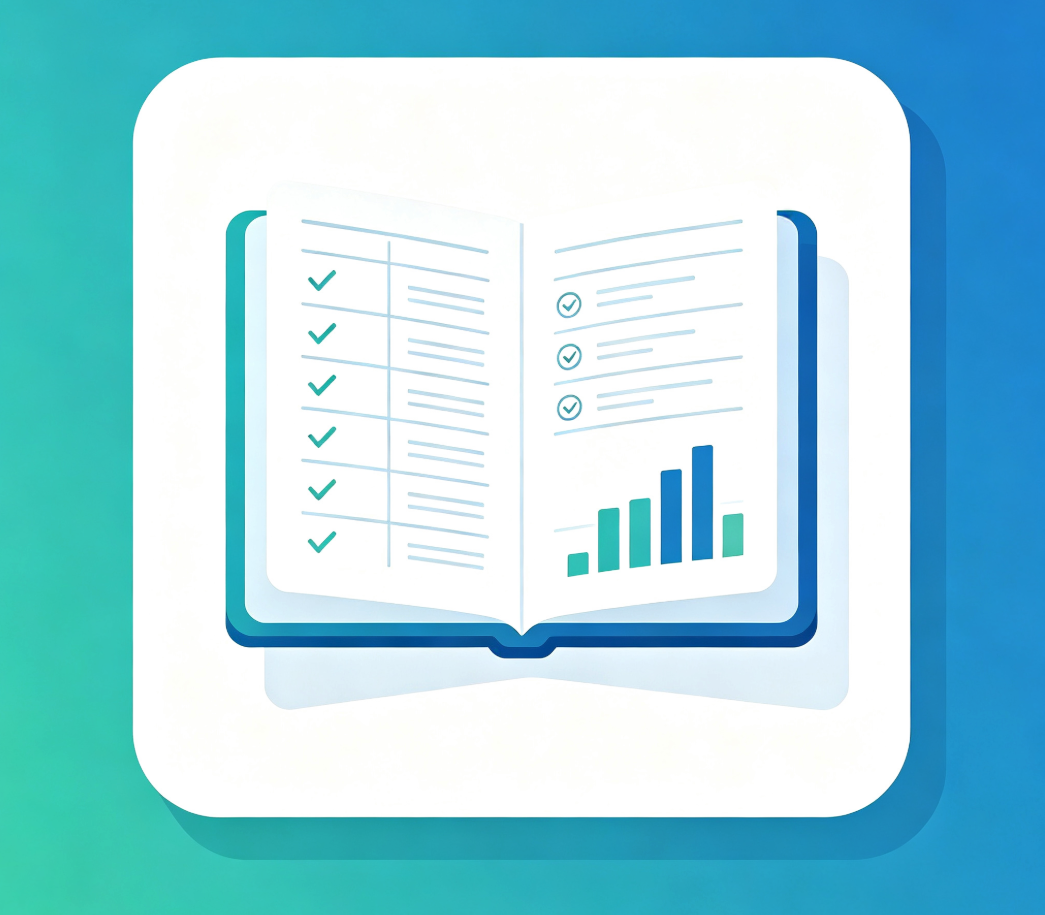
A personal ledger isn’t just a fancy notebook—it’s a secure, independent record of all your digital asset holdings, transactions, and key details that you control, not a third-party exchange. Unlike an exchange’s internal database, which can be altered, frozen, or lost during a platform crisis, your ledger is yours to update, access, and verify at any time. It should include specific entries: the type of asset (Bitcoin, Ethereum, etc.), the amount held, the date you acquired it, the transaction ID (txid) for every deposit or withdrawal, and a note linking to your private key or seed phrase. This level of detail eliminates ambiguity when disputes arise, as you have concrete proof of ownership that no central entity can manipulate.
Exchange Failures Aren’t Rare—Recent Cases Prove the Need
The FTX collapse of 2022 remains a stark reminder of how quickly exchange failures can erase user funds. Thousands of FTX customers woke up to find their accounts frozen, with billions in assets misappropriated by the platform’s leadership, leaving many with no way to recover their money. This isn’t an isolated incident; smaller exchanges like QuadrigaCX also collapsed due to mismanagement or lost private keys, leaving users in the lurch. When an exchange controls your assets (standard practice for most centralized platforms), you’re relying entirely on their integrity and operational stability. A personal ledger cuts that risky reliance down to zero for the assets you track independently.
Why Your Ledger Is Your First Line of Defense
Your ledger acts as a critical check against exchange missteps because it lets you independently verify your balances at any time. For example, if you hold 5 Bitcoin on an exchange, you can cross-reference that amount with your ledger entry (which records the withdrawal txid from your personal wallet to the exchange’s address) to confirm the exchange actually holds those funds. If the exchange’s internal database shows a different number, you can flag discrepancies early, before a crisis hits. In the event an exchange fails, your ledger provides irrefutable proof of your ownership, making it easier to file claims or track assets through recovery efforts. It’s not a replacement for secure key storage, but it’s a layered defense that prevents total loss when platforms falter.
Building a Useful Ledger: Simple, Actionable Steps
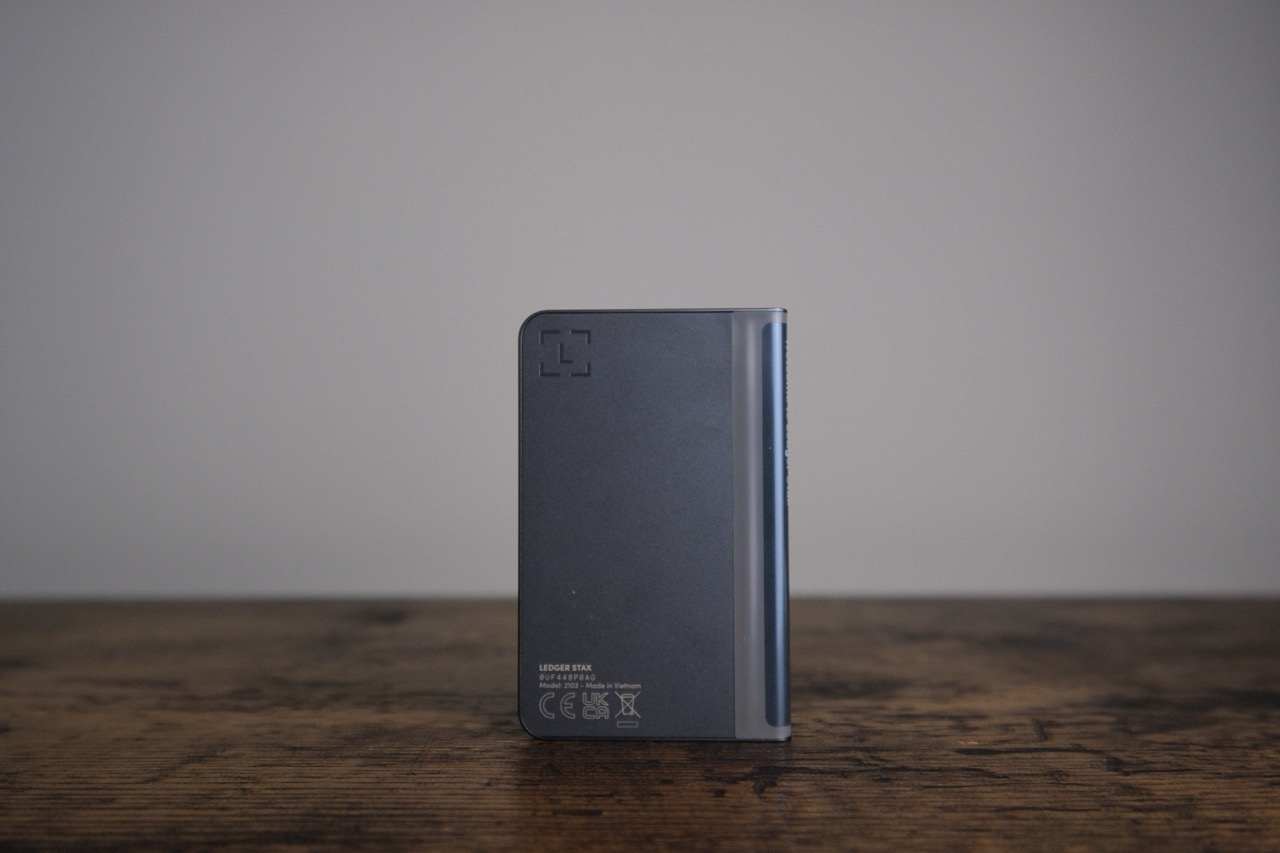
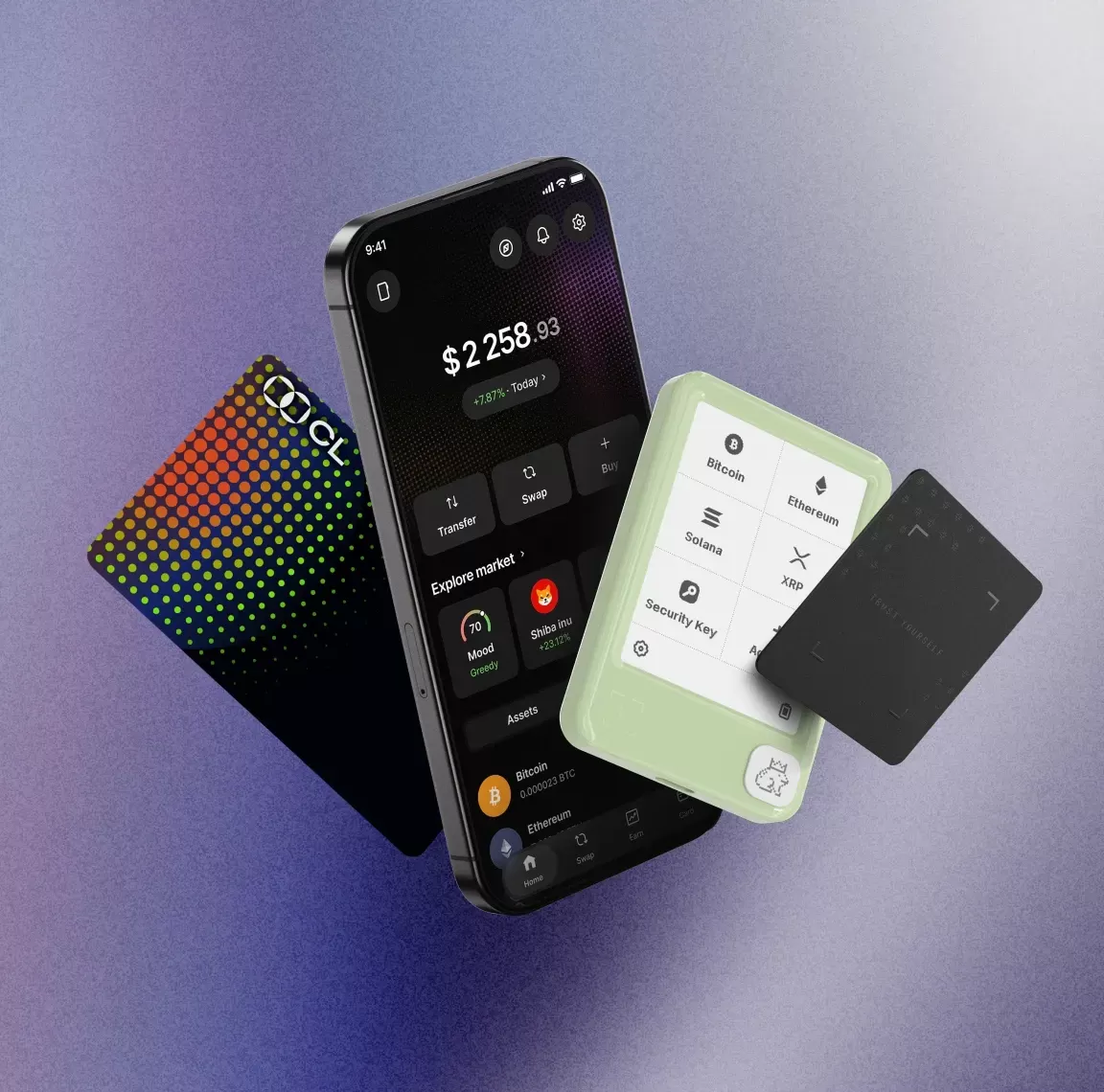
You don’t need complex software to start a personal ledger—even a well-organized spreadsheet works. Begin by listing all your wallets (hardware, software, or self-custody) and their corresponding on-chain addresses. For each asset in each wallet, log the amount, acquisition date, and any relevant transaction details. Update the ledger every time you move assets: when you deposit to an exchange, note the txid and the amount; when you withdraw, confirm the transaction is reflected on the blockchain and adjust your ledger accordingly. For enhanced security, store a copy offline (like a encrypted USB drive) and avoid sharing sensitive seed phrase notes. For larger holdings, you can use dedicated crypto portfolio tools that auto-sync transaction data, but always cross-verify their entries with public on-chain records to avoid errors. This weekly practice takes just 10 minutes and can save you from devastating losses if an exchange goes under.