Unpacking Crypto Hardware Wallet Security
What Is a Secure Element Chip for Ledger?
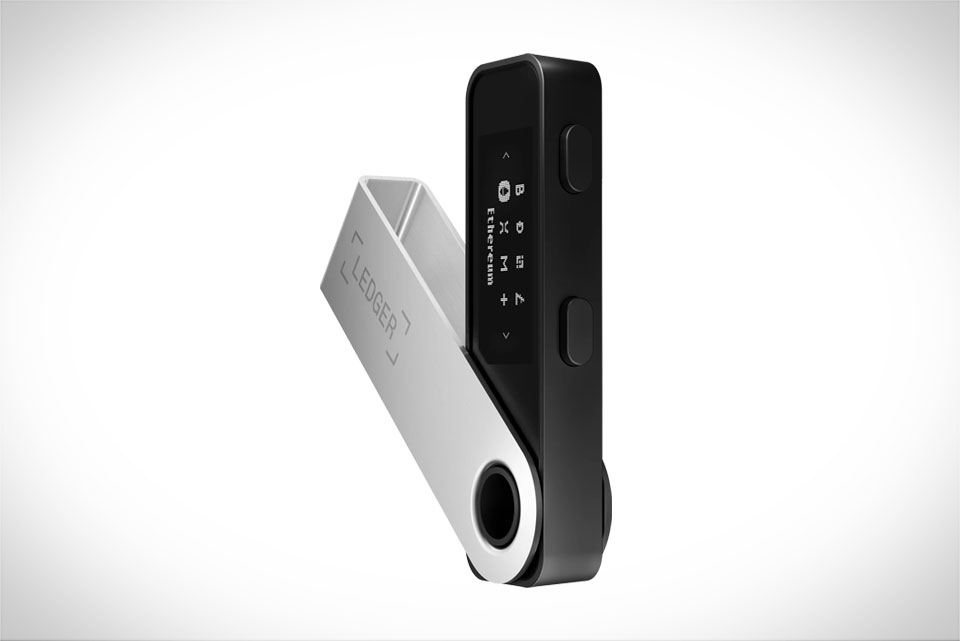
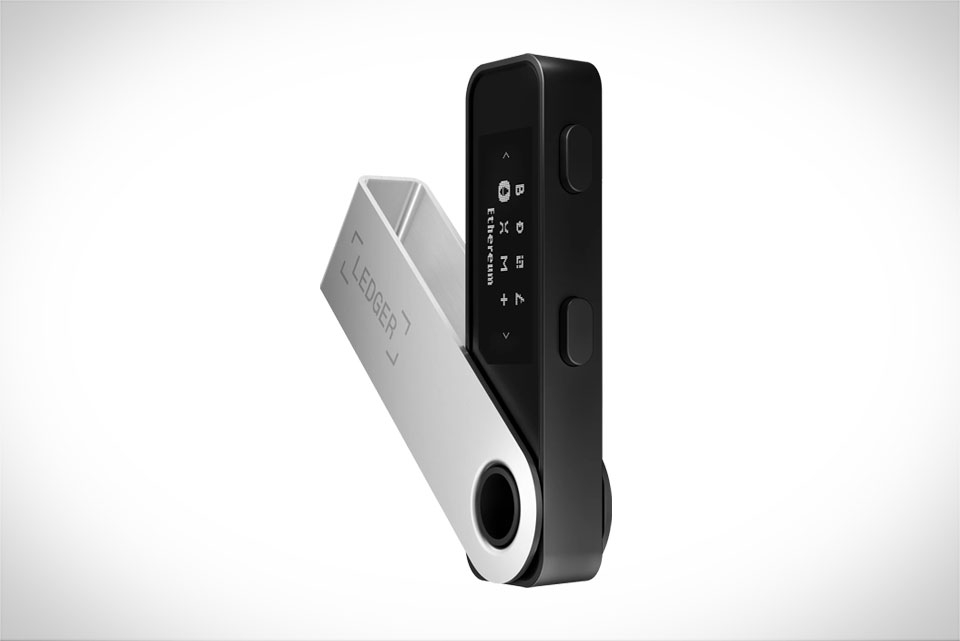
For anyone new to crypto hardware wallets, the secure element (SE) chip is the unsung hero of Ledger devices like the Nano S or Nano X. Unlike general-purpose chips that run multiple tasks—from browsing to app processing—an SE is a dedicated, isolated hardware component built exclusively for security-critical operations, most importantly storing private keys. Think of it as a fortified safe inside your wallet, separate from any other parts that could be accessed by malware or hackers. Ledger partners with trusted semiconductor manufacturers like STMicroelectronics to source SE chips that meet strict global security standards, ensuring they’re not just functional but resistant to common digital and physical attacks.
Key Security Mechanisms Built Into Ledger’s SE
The SE’s power comes from layers of hardware-level security that software-based wallets can never match. First, there’s secure isolation: private keys never leave the SE’s internal memory, even when you sign a transaction. When you confirm a Bitcoin transfer on your Ledger, the device sends only the transaction data to the SE, which performs the cryptographic signature entirely inside its locked space. Second, anti-tampering features are baked in: tiny sensors detect physical manipulation like opening the chip’s packaging and immediately erase all sensitive data to prevent theft. Third, hardware-accelerated encryption algorithms—like ECC (Elliptic Curve Cryptography) used for crypto keys—run faster and with less risk of exploitation than software implementations. Many of these SE chips also carry CC EAL5+ certification, meaning they’ve passed rigorous independent testing for security vulnerabilities.
How Ledger’s SE Stands Out From Regular Chips
It’s easy to confuse an SE with the security features in your smartphone, but they’re not the same. Your phone’s SE handles tasks like contactless payments, but it still operates within the phone’s overall system, which has more attack surfaces. Ledger’s SE is a standalone component with no direct connection to the device’s main processor or USB port for sensitive operations. This means even if a hacker takes over a computer connected to your Ledger, they can’t access the SE’s memory remotely. For example, in 2022, a widespread malware campaign targeted hot wallets by stealing private keys from connected devices, but Ledger users reported no such breaches because their keys remained locked in the SE, untouched by malicious software.
Real-World Impact of Ledger’s SE in Crypto Storage
The practical benefit of Ledger’s SE is tangible for everyday crypto users. When you set up a Ledger, you generate a 24-word recovery seed that’s stored either in the SE or its secure backup, never on an online server. Every transaction you authorize goes through the SE to ensure the signature is valid and the key isn’t exposed. Even if your Ledger device is lost or stolen, the thief would need both the SE chip and your recovery seed to access your funds—something far harder to pull off than hacking a cloud-based wallet. This level of security has made Ledger one of the most trusted names in hardware wallets, with millions of users relying on its SE technology to protect their crypto assets from both digital and physical threats.