Practical tips to dodge risks when using decentralized apps
Verifying DApp Authenticity Before Connecting

Many DeFi degens rush to new yield farms, NFT mints, or lending platforms without double-checking sources, and scammers exploit this impatience. Last quarter, a fake Uniswap V3 fork circulated on Discord with a domain just one character off the official site (uniswapv3-official.co instead of uniswap.org). Fifteen degens connected their Ledger Nano X to this fake link, losing 2–8 ETH each when they approved a fake liquidity deposit. To avoid this, always type DApp URLs directly into your browser instead of clicking links in Discord, Telegram, or Twitter DMs. Use Ledger’s native DApp browser, which is pre-vetted for trusted sites, cutting out fake links before they appear. If unsure about a new platform, look for blue verification badges on its Twitter account or check reviews on Reddit’s r/DeFi.
Securing Your Ledger Device From Physical & Digital Threats
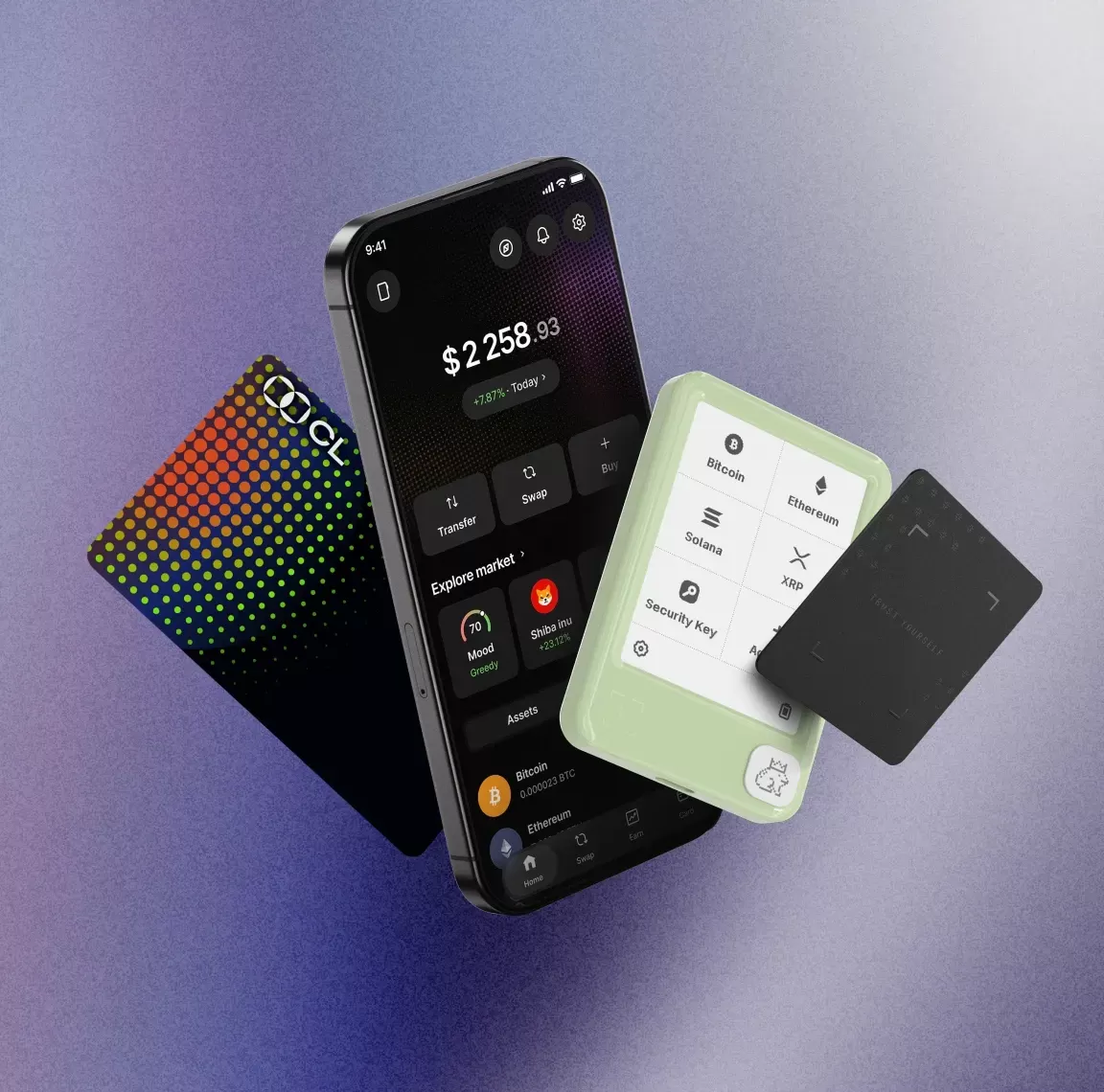
Your Ledger isn’t unbreakable, as a friend learned last year: he left his Nano S in a coffee shop without a strong PIN or passphrase, and someone stole his full 12 ETH savings. To prevent this, set an 8+ digit PIN mixing numbers and symbols, enable Ledger’s hidden passphrase feature (a second layer so even if your device is stolen, funds stay safe without the seed phrase), and never share your 24-word recovery words with anyone – Ledger support will never ask for them. Update firmware only via official Ledger Live, not random sites, as old versions have known vulnerabilities scammers exploit. I also recommend storing your Ledger in a fireproof, waterproof case when not in use, adding extra protection against accidents or theft.
Recognizing & Avoiding Fake Sign Requests
This is the most common mistake degens make. Scammers design fake Ledger sign prompts that mimic legitimate actions, hiding malicious requests in fine print. Last month, 22 NFT degens on Twitter signed a fake listing request on a popular art marketplace; the prompt said “approve 0.5 ETH listing” but the small text let the contract transfer all their NFTs and ETH. Always take 10 seconds to read every line of sign requests: if it says “unlimited approval” for a random token you’ve never heard of, reject it. Turn off “blind signing” in Ledger Live settings – this shows full request details instead of hiding complex data, making it easy to spot fakes. Never sign messages that ask for “permission to transfer all tokens” unless it’s a daily-used trusted DApp.
Regularly Auditing Your DeFi Activity on Ledger
Most degens only check their Ledger when transacting, but weekly audits catch small issues before they spiral. A Reddit user I follow noticed a 0.01 ETH weekly spam fee going to a scam contract for three months – he caught it because he set a weekly reminder to review his Ledger Live account. To do this, open Ledger Live every two weeks, scroll through all outgoing transactions, approvals, and sign requests, and use Etherscan/Solscan to check which contracts have access to your tokens. Revoke approvals for any unused yield farms or old NFT marketplaces immediately. Enable transaction notifications in Ledger Live to get alerts for every wallet activity; if you see an unrecognized transaction, disconnect the DApp, revoke all approvals, and scan your device for malware. Small, overlooked fees add up, so staying consistent with audits saves big losses later.